
Understanding Childhood Allergies and How to Manage Them: A Complete Guide for Parents
Understanding Childhood Allergies and How to Manage Them: A Complete Guide for Parents
Childhood allergies can be a confusing and stressful topic for parents. You want to keep your child safe, happy, and healthy, but understanding what triggers allergies and how to manage them is not always straightforward. Understanding childhood allergies and how to manage them is essential for providing the right care, preventing serious reactions, and improving your child’s quality of life. This guide covers everything from common symptoms to effective management strategies and preventive measures, helping you navigate allergies confidently.
Thank you for reading this post, don't forget to subscribe!Table of Contents
What Are Childhood Allergies?
Childhood allergies occur when a child’s immune system overreacts to harmless substances, known as allergens. These reactions can range from mild irritation to severe, life-threatening conditions such as anaphylaxis.
- Common allergens: Pollen, dust mites, pet dander, foods (nuts, milk, eggs), insect stings, and medications.
- Immune response: The body mistakenly identifies these harmless substances as threats and releases chemicals like histamine.
- Symptoms: Can affect skin, respiratory system, digestive system, or a combination of these.
Types of Childhood Allergies
Food Allergies
Food allergies are one of the most common types in children. Symptoms can include hives, swelling, vomiting, or even anaphylaxis in severe cases.
Respiratory Allergies
These include hay fever, asthma, and reactions to indoor allergens like dust or mold. Symptoms often involve sneezing, congestion, wheezing, and shortness of breath.
Skin Allergies
Skin reactions such as eczema, rashes, and hives are common in children. They often flare up due to contact with allergens or irritants.
Insect and Drug Allergies
Some children may react to insect stings, like bees or wasps, or certain medications. These reactions can sometimes be severe, requiring emergency care.
Recognizing the Signs and Symptoms
Early recognition is crucial. Parents should monitor for:
- Skin reactions: rashes, hives, eczema
- Respiratory issues: coughing, wheezing, nasal congestion
- Digestive problems: nausea, vomiting, diarrhea
- Behavioral changes: irritability or fatigue caused by discomfort
- Severe reactions: swelling of lips/tongue, difficulty breathing, dizziness
Diagnosing Childhood Allergies
Diagnosis should be made by a qualified healthcare professional. Common methods include:
- Medical history: Detailed account of symptoms, triggers, and family history of allergies.
- Skin prick test: Identifies reactions to specific allergens.
- Blood tests: Measures IgE antibodies linked to allergic reactions.
- Elimination diet: Temporarily removing suspected foods under medical supervision.
Managing Childhood Allergies
Management involves a combination of avoiding triggers, medication, and lifestyle strategies to reduce symptoms and prevent serious reactions.

Avoidance of Allergens
- Keep children away from known triggers such as certain foods, pets, or pollen-heavy environments.
- Use air purifiers and dust-proof bedding to reduce indoor allergens.
- Check food labels carefully and educate your child about hidden allergens.
Medication Options
Depending on the allergy, medications can include:
- Antihistamines for mild reactions
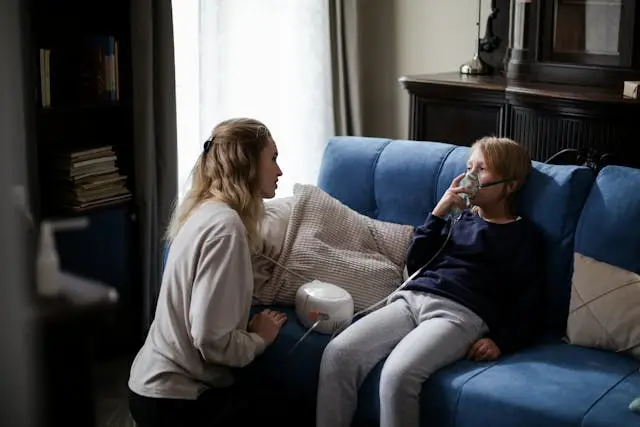
- Inhalers for asthma and respiratory allergies
- Corticosteroid creams for skin rashes
- EpiPen or auto-injectable epinephrine for severe reactions
Lifestyle Adjustments
- Maintain a clean home environment
- Encourage regular handwashing and hygiene
- Keep a symptom diary to track triggers and reactions
- Coordinate with schools and caregivers for allergy safety plans
Preventing Severe Reactions
Education and preparedness are key. Some preventive measures include:
| Preventive Action | Benefit |
|---|---|
| Keep emergency medication accessible | Allows immediate treatment in case of severe reactions |
| Educate your child about their allergens | Empowers them to avoid triggers independently |
| Inform teachers and caregivers | Ensures consistent safety measures outside home |
| Create an allergy action plan | Provides clear instructions during an emergency |
Building Awareness and Education
Teach your child about:
- Recognizing early symptoms
- Communicating discomfort to adults
- Reading food labels and identifying hidden allergens
- Understanding the importance of taking medications on time
Common Myths About Childhood Allergies
- Myth: Allergies are outgrown quickly. Reality: Some persist into adulthood, especially food and respiratory allergies.
- Myth: Only certain children get allergies. Reality: Allergies can develop in any child, even without family history.
- Myth: Allergic reactions are always immediate. Reality: Some reactions develop hours later.
FAQs About Childhood Allergies
What are the most common childhood allergies?
Food allergies (milk, eggs, peanuts), respiratory allergies (pollen, dust mites), and skin allergies (eczema, hives) are most common.
Can allergies be prevented?
While not all allergies can be prevented, early exposure to certain foods and maintaining a healthy environment may reduce risk. Always consult a pediatrician.
When should I seek emergency care?
If your child experiences difficulty breathing, swelling of the face or throat, dizziness, or loss of consciousness, seek emergency care immediately.
Can allergies affect a child’s daily life?
Yes, unmanaged allergies can impact school attendance, sleep quality, and participation in activities. Effective management helps maintain a normal, active life.
Are allergy medications safe for children?
When prescribed and monitored by a healthcare professional, medications are safe and effective for children.
Conclusion
Understanding childhood allergies and how to manage them requires vigilance, education, and proactive care. By identifying triggers, communicating openly, and creating effective management strategies, parents can protect their children and allow them to thrive. Remember: your involvement, preparedness, and awareness can make a life-changing difference in your child’s health and happiness.
Start by keeping a detailed allergy diary for your child today. Track triggers, reactions, and successful management strategies, and share this information with your healthcare provider to create a safer and healthier environment for your child.