
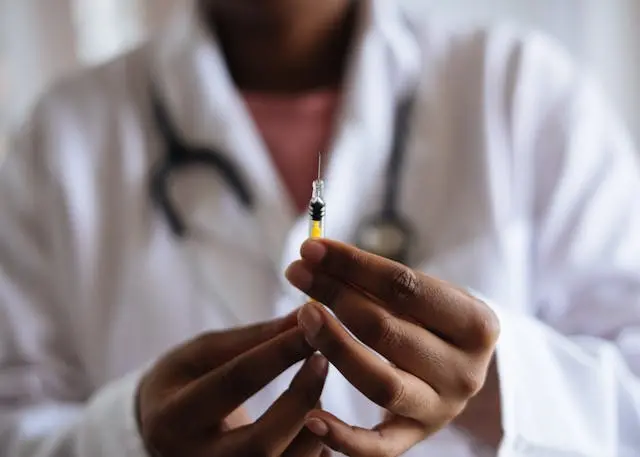
Essential Vaccinations for Children: What You Need to Know
Essential Vaccinations for Children: What You Need to Know
As a parent, one of the most important responsibilities you carry is ensuring your child’s health and protection against preventable diseases. Vaccinations are a cornerstone of child healthcare, yet many parents still face confusion, doubts, or even fear surrounding them. In this article, you’ll find a comprehensive guide on essential vaccinations for children, why they matter, how they work, the recommended schedules, and what you need to know to make informed decisions. By the end, you’ll feel confident about navigating your child’s immunization journey with clarity and peace of mind.
Thank you for reading this post, don't forget to subscribe!Table of Contents
Why Vaccinations Are Essential for Children
Vaccinations are one of the greatest public health achievements of the modern era. They protect not only your child but also your family and the community at large. Immunization builds resistance against harmful diseases, some of which can be life-threatening or leave lifelong complications. Without vaccines, illnesses like measles, polio, or whooping cough would still claim millions of young lives worldwide.
- Prevention of severe diseases: Protects children from deadly or disabling illnesses.
- Community protection: Herd immunity protects vulnerable individuals who cannot receive vaccines.
- Cost-effective healthcare: Preventing disease is cheaper than treating it.
How Vaccines Work: A Simple Explanation
Vaccines train the immune system to recognize and fight specific pathogens. Instead of waiting for your child to get sick to build immunity, vaccines use safe versions or fragments of viruses and bacteria to trigger a protective response without causing the actual disease. This prepares the body for real-life exposure later.
Essential Vaccinations for Children: The Core List
The World Health Organization (WHO) and the Centers for Disease Control and Prevention (CDC) recommend a list of vaccines that every child should receive. Here’s a breakdown of the most essential ones:
1. Hepatitis B Vaccine (HepB)
Protects against a virus that can cause chronic liver infection, liver cancer, or cirrhosis.
2. Rotavirus Vaccine (RV)
Prevents severe diarrhea and dehydration in infants caused by rotavirus.
3. DTaP Vaccine (Diphtheria, Tetanus, Pertussis)
Provides protection from three dangerous diseases: diphtheria (respiratory illness), tetanus (muscle stiffness), and pertussis (whooping cough).
4. Hib Vaccine (Haemophilus influenzae type b)
Prevents meningitis, pneumonia, and throat infections in young children.
5. Polio Vaccine (IPV)
Prevents polio, a disabling and potentially deadly disease that can paralyze children.
6. Pneumococcal Vaccine (PCV)
Protects against pneumococcal disease, which causes ear infections, pneumonia, and meningitis.
7. MMR Vaccine (Measles, Mumps, Rubella)
Essential for preventing measles (serious rash and fever), mumps (swelling and fever), and rubella (a threat to pregnant women and infants).
8. Varicella Vaccine (Chickenpox)
Protects children from chickenpox, which can cause skin rashes, fevers, and severe complications.
9. Hepatitis A Vaccine
Protects against liver infection caused by the hepatitis A virus, usually spread through contaminated food or water.
10. Influenza (Flu) Vaccine
Annual flu shots are highly recommended, as influenza mutates and circulates each year.
Childhood Vaccination Schedule
The vaccination schedule ensures that children receive protection at the right age for maximum effectiveness. Below is a simplified table:
| Age | Recommended Vaccines |
|---|---|
| Birth | HepB (1st dose) |
| 2 Months | DTaP, IPV, Hib, PCV, RV, HepB |
| 6 Months | DTaP, IPV, Hib, PCV, RV, Influenza |
| 12–15 Months | MMR, Varicella, Hib, PCV, HepA |
| 4–6 Years | DTaP, IPV, MMR, Varicella |
| 11–12 Years | Tdap, HPV, Meningococcal |
Debunking Common Vaccine Myths
Unfortunately, misinformation about vaccines spreads quickly. Let’s address some of the most common myths:
- Myth: Vaccines cause autism.
Fact: Extensive studies confirm there is no link between vaccines and autism. - Myth: Natural immunity is better.
Fact: Contracting diseases can lead to severe complications and even death. Vaccines provide safe immunity. - Myth: Too many vaccines overwhelm a child’s immune system.
Fact: Children’s immune systems handle thousands of antigens daily; vaccines add a tiny fraction of this load.
How to Prepare Your Child for Vaccinations
Getting a shot can be stressful for kids. Here are ways you can help:
- Talk calmly about why vaccines are important.
- Bring comfort items like a toy or blanket.
- Distract your child with songs or stories during the injection.
- Offer praise and rewards afterward.
Side Effects and What to Expect
Most vaccines cause only mild side effects, such as soreness at the injection site, mild fever, or fussiness. Severe reactions are extremely rare. Always monitor your child after vaccination and contact a healthcare provider if you notice unusual symptoms.
Supporting Vaccine Confidence as a Parent
You may encounter conflicting information online. To strengthen your confidence:
- Rely on trusted sources like the CDC and WHO.
- Discuss concerns openly with your pediatrician.
- Join support groups for parents who follow immunization schedules.
Conclusion
Vaccinations are not just shots—they are shields of protection that ensure your child’s growth and safety. By following the recommended schedules and understanding the benefits, you are giving your child the best chance to thrive in a healthy future. Don’t let myths or misinformation cloud your judgment; make informed decisions and embrace vaccines as an essential tool for your child’s well-being.
FAQs: Essential Vaccinations for Children
1. What are the most important vaccines for children?
Key vaccines include HepB, DTaP, Polio, Hib, PCV, MMR, Varicella, and annual flu shots.
2. Are vaccines safe for babies?
Yes. Vaccines undergo rigorous testing before approval and continuous monitoring for safety.
3. Can my child skip or delay vaccines?
Delaying vaccines increases the risk of exposure to dangerous diseases. Follow the recommended schedule for best protection.
4. Do vaccines have side effects?
Most side effects are mild, like redness or slight fever, and fade quickly. Serious reactions are extremely rare.
5. Why is herd immunity important?
Herd immunity protects children and adults who cannot be vaccinated due to medical reasons, reducing outbreaks in the community.
Call to Action: Protect your child’s health today—speak with your pediatrician about essential vaccinations for children and follow the recommended schedule. A simple step today can ensure a healthier tomorrow for your child.