The Role of Play in Child Development
The Role of Play in Child Development
Play is often seen as a simple pastime for children, but in reality, it is one of the most powerful tools for growth and learning. When your child engages in play, they are not just entertaining themselves—they are exploring the world, experimenting with ideas, developing essential skills, and learning to interact with others. Understanding the role of play in child development will help you support your child’s growth in meaningful ways. This comprehensive guide will take you through the benefits of play, types of play, and strategies to encourage healthy, productive play at every stage of childhood.
Thank you for reading this post, don't forget to subscribe!Table of Contents
Why Play Matters in Child Development
From the moment your baby starts to smile or reach for toys, play becomes a primary way they learn and connect. Play is the language of childhood, and it supports every dimension of development, including:
- Cognitive development: Play stimulates curiosity, problem-solving, and critical thinking.
- Social growth: Children learn how to share, cooperate, and communicate with others.
- Emotional regulation: Through play, kids express feelings, manage stress, and build resilience.
- Physical health: Active play promotes motor skills, coordination, and overall fitness.
The Science Behind Play and Learning
Researchers in developmental psychology and neuroscience have shown that play is central to brain development. It builds neural connections, enhances executive function, and promotes creativity. Studies by the American Academy of Pediatrics highlight play as essential for reducing stress and improving mental health in children.
Jean Piaget, a leading child psychologist, emphasized that children actively construct knowledge through play, while Lev Vygotsky highlighted the role of social play in advancing language and learning through interaction. These foundational theories remind us that play is not optional—it is the heart of learning itself.
Types of Play and Their Role in Development
Not all play looks the same. Different types of play offer unique benefits for growth. Let’s break them down:
1. Physical Play
Running, jumping, climbing, and dancing all fall under physical play. This type of play builds strength, coordination, balance, and gross motor skills. Physical play is also linked to better sleep and emotional regulation.
2. Constructive Play
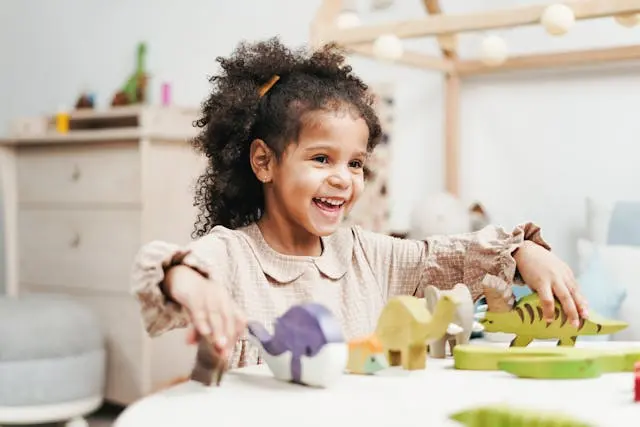
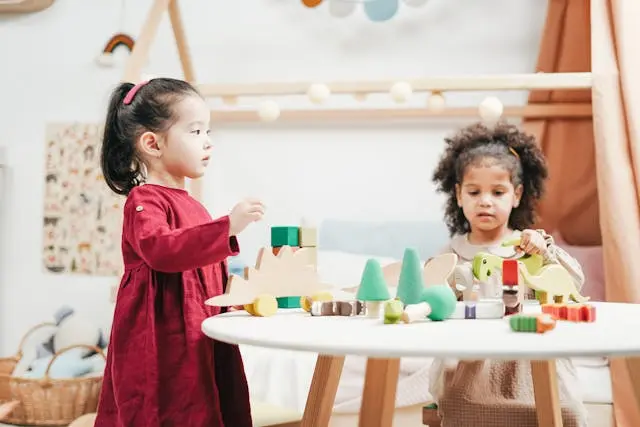
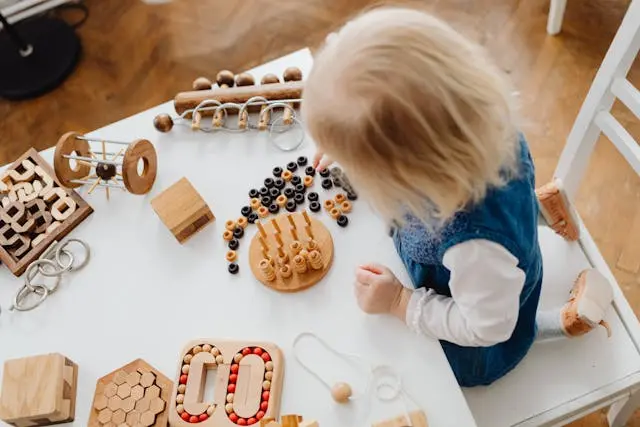
Building blocks, puzzles, and arts and crafts are examples of constructive play. Children learn how things work, practice planning, and build problem-solving skills. Constructive play encourages persistence and creativity.
3. Pretend Play (Imaginative Play)
Pretend play allows children to step into different roles and scenarios. This develops language, empathy, and abstract thinking. When your child pretends to be a doctor or a superhero, they are experimenting with identity and social roles.
4. Social Play
Games with peers such as tag, board games, or team activities promote communication, negotiation, and cooperation. Social play lays the foundation for building friendships and understanding social rules.
5. Independent Play
Playing alone teaches children independence, focus, and self-regulation. This is especially valuable in developing creativity and self-confidence.
6. Guided Play
Guided play happens when adults join in play without taking over. It combines the benefits of free play with the learning potential of adult guidance, reinforcing skills like counting, storytelling, or problem-solving.
Play Across Different Stages of Childhood
Play evolves as children grow. Each developmental stage introduces new opportunities for learning through play.
Infants (0–12 months)
Babies explore through sensory play—touching, mouthing, and grasping objects. Peek-a-boo and rattles stimulate early social and cognitive skills.
Toddlers (1–3 years)
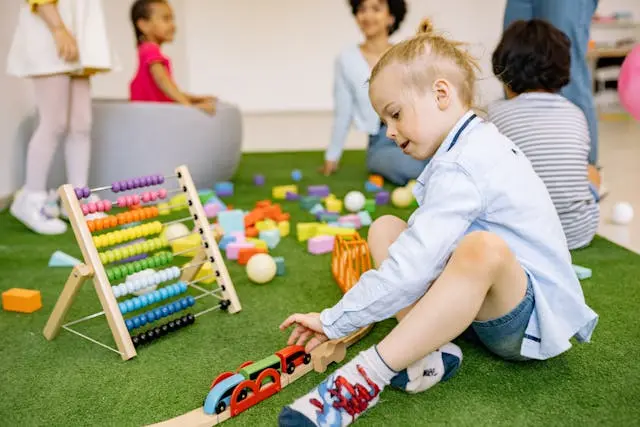
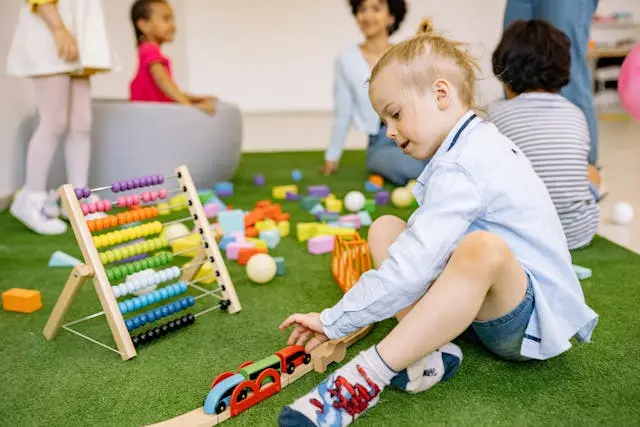
Toddlers engage in parallel play (playing alongside others). Building towers, pushing toy cars, and water play are common activities. Language and motor skills develop rapidly during this stage.
Preschoolers (3–5 years)
Pretend play flourishes during preschool years. Children begin cooperative play, negotiating roles and rules. Activities like painting, storytelling, and outdoor games enhance creativity and teamwork.
School-Age Children (6–12 years)
Games with rules become important. Board games, sports, and group projects teach patience, strategy, and fairness. Cognitive and academic skills are reinforced through playful learning.
Adolescents (13+ years)
Even as teenagers, play remains important. Sports, creative arts, and video games can provide stress relief, social bonding, and skill-building opportunities.
Benefits of Play in Child Development
The benefits of play extend far beyond entertainment. Here’s how play supports growth in different domains:
- Emotional well-being: Play helps children express feelings and cope with stress.
- Language skills: Storytelling, singing, and pretend play enhance vocabulary and communication.
- Problem-solving: Play challenges children to experiment, fail, and try again.
- Social competence: Play builds empathy, negotiation skills, and the ability to cooperate with others.
- Creativity: Open-ended play sparks imagination and innovation.
How Parents Can Encourage Healthy Play
As a parent, you play a crucial role in fostering meaningful play. Here are some ways to support your child’s development through play:
- Provide time and space: Ensure your child has unstructured time and safe environments to play.
- Offer diverse materials: Simple items like blocks, art supplies, and outdoor tools inspire creative play.
- Limit screen time: Encourage physical and imaginative play over passive screen-based activities.
- Join the fun: Engage in play with your child to strengthen bonds and model positive behavior.
- Encourage outdoor play: Nature play enhances physical health and creativity.
Play and Academic Success
Contrary to the belief that play distracts from learning, research shows play actually enhances academic achievement. Play builds executive function—skills like attention, memory, and self-control—that are critical for success in school. Children who engage in regular play are better problem-solvers, more motivated learners, and demonstrate stronger social skills in the classroom.
Common Barriers to Play
Modern life sometimes makes it challenging for children to engage in healthy play. Barriers include:
- Busy schedules: Overloaded routines reduce unstructured playtime.
- Excessive screen time: Digital distractions replace active and imaginative play.
- Lack of safe spaces: Urban environments may limit outdoor play opportunities.
- Parental misconceptions: Some parents undervalue play compared to academics.
As a parent, recognizing these barriers helps you make intentional choices to prioritize play in your child’s life.
The Role of Play in Building Life Skills
Play doesn’t just prepare children for school—it prepares them for life. Here are some lifelong skills shaped through play:
- Resilience: Learning to handle loss in a game builds coping skills.
- Leadership: Group play fosters leadership and teamwork abilities.
- Adaptability: Unstructured play teaches children to think on their feet.
- Confidence: Mastering new play activities boosts self-esteem.
Conclusion
The role of play in child development is undeniable. From infancy to adolescence, play shapes cognitive, social, emotional, and physical growth. By providing your child with the time, space, and tools to play, you give them one of the greatest gifts: the ability to learn, grow, and thrive through joy. Play is not just an activity—it’s the foundation of a happy and successful childhood.
FAQs: The Role of Play in Child Development
1. Why is play so important for children?
Play supports every area of development—emotional, social, cognitive, and physical—while also reducing stress and improving well-being.
2. How much playtime does my child need each day?
Experts recommend at least 60 minutes of active play daily, along with opportunities for imaginative and social play.
3. Can play really improve academic performance?
Yes. Play builds executive function and problem-solving skills that are essential for school success.
4. What can I do if my child prefers screens over play?
Limit screen time, provide engaging toys and activities, and encourage outdoor play to shift focus toward active learning.
5. Is play still important for teenagers?
Absolutely. Sports, arts, and social play continue to build life skills and provide stress relief throughout adolescence.
Call to Action: Make play a daily priority in your home. Encourage your child to explore, imagine, and create. By fostering play, you nurture not only their childhood but also their future potential.