
Understanding Different Types of Special Needs: A Complete Guide
Understanding Different Types of Special Needs: A Complete Guide
In today’s society, it is essential to recognize and understand the diverse range of special needs that individuals may experience. By learning about different types of special needs, you can provide better support, foster inclusion, and create environments that allow everyone to thrive. This comprehensive guide explores the various categories of special needs, their characteristics, and practical strategies to support children and adults in daily life.
Thank you for reading this post, don't forget to subscribe!Table of Contents
What Are Special Needs?
The term special needs refers to a wide spectrum of physical, cognitive, emotional, and learning differences that require individualized care or accommodations. Special needs can range from mild challenges to significant disabilities that affect daily living. Understanding these differences is the first step toward building inclusive communities where every individual feels valued and supported.
Major Categories of Special Needs
Special needs can be grouped into several broad categories. Each category includes a variety of conditions, and individuals may experience overlapping needs. Here are the main categories:
- Physical Disabilities
- Developmental Disabilities
- Sensory Impairments
- Learning Disabilities
- Emotional and Behavioral Disorders
- Chronic Medical Conditions
Physical Disabilities
Physical disabilities affect a person’s mobility, stamina, or physical functioning. They can be congenital (present at birth) or acquired later in life. Examples include:
- Cerebral Palsy (CP): A condition caused by brain damage before or during birth, affecting muscle coordination and movement.
- Muscular Dystrophy: A group of genetic diseases causing muscle weakness and degeneration.
- Spina Bifida: A neural tube defect that impacts mobility and physical development.
- Amputations or Paralysis: Resulting from injury, illness, or surgery.
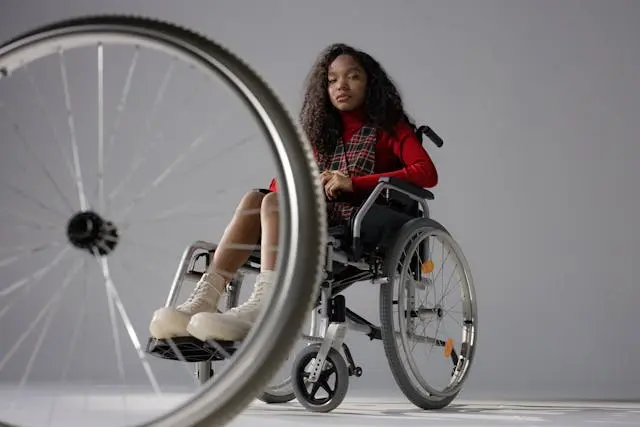
Support strategies for individuals with physical disabilities may include accessible buildings, assistive devices (wheelchairs, braces), and adaptive physical education programs.
Developmental Disabilities
Developmental disabilities are conditions that begin during childhood and affect learning, language, behavior, or physical skills. These conditions are typically lifelong and may require ongoing support. Examples include:
- Autism Spectrum Disorder (ASD): A developmental condition affecting communication, social interaction, and behavior.
- Down Syndrome: A genetic condition caused by an extra chromosome 21, leading to intellectual disability and distinct physical features.
- Intellectual Disabilities: Characterized by below-average cognitive functioning and challenges with everyday activities.
Support may involve individualized education programs (IEPs), speech therapy, occupational therapy, and social skill development.
Sensory Impairments
Sensory impairments affect one or more senses, such as vision, hearing, or processing sensory information. These conditions include:
- Visual Impairments: Ranging from partial vision loss to complete blindness.
- Hearing Impairments: From mild hearing loss to profound deafness.
- Sensory Processing Disorder (SPD): Difficulty in processing sensory input, leading to over- or under-sensitivity.
Support strategies include using Braille, sign language, hearing aids, cochlear implants, sensory-friendly classrooms, and occupational therapy to manage sensory challenges.
Learning Disabilities
Learning disabilities affect how individuals acquire, process, or express information. These conditions do not reflect intelligence but rather differences in learning styles. Examples include:
- Dyslexia: Difficulty with reading, spelling, and decoding words.
- Dysgraphia: Challenges in handwriting, spelling, and written expression.
- Dyscalculia: Struggles with understanding math concepts and numbers.
Support involves individualized teaching methods, tutoring, assistive technology, and structured learning environments.
Emotional and Behavioral Disorders
Emotional and behavioral disorders affect how individuals manage emotions and interact socially. These conditions can interfere with learning and daily functioning. Examples include:
- Attention Deficit Hyperactivity Disorder (ADHD): Characterized by difficulty maintaining attention, impulsivity, and hyperactivity.
- Anxiety Disorders: Excessive worry, fear, or stress affecting daily activities.
- Depression: Persistent sadness, lack of interest, and changes in behavior.
- Oppositional Defiant Disorder (ODD): Frequent anger, defiance, and hostility toward authority figures.
Support may include counseling, behavior therapy, medication, and creating structured, supportive environments.
Chronic Medical Conditions
Some special needs are related to ongoing medical conditions that require constant care. These include:
- Diabetes: Requires careful monitoring of blood sugar and insulin.
- Epilepsy: A neurological condition involving recurrent seizures.
- Asthma: A chronic respiratory condition requiring medication and monitoring.
- Severe Allergies: Requiring avoidance strategies and emergency care.
Support strategies involve medical care plans, awareness in schools, and training for caregivers to handle emergencies.
Educational Approaches for Children with Special Needs
Education plays a vital role in supporting children with special needs. Schools and educators can adopt inclusive practices such as:
- Individualized Education Programs (IEPs)
- Specialized teaching strategies
- Assistive technologies (speech-to-text software, audio books)
- Peer mentoring and buddy systems
- Inclusive classroom settings
These approaches ensure that children with special needs receive equitable opportunities to learn and grow.
Supporting Families of Children with Special Needs
Caring for a child with special needs requires patience, resilience, and support. Families benefit from:
- Access to counseling and support groups
- Educational workshops and resources
- Financial assistance programs
- Respite care services to prevent caregiver burnout
- Community-based programs promoting inclusion
Global Perspectives on Special Needs
Different cultures and countries approach special needs in unique ways. Some societies have advanced policies supporting inclusivity, while others still face challenges in providing resources and acceptance. Global initiatives such as the United Nations Convention on the Rights of Persons with Disabilities work to ensure equality and accessibility worldwide.
Common Misconceptions About Special Needs
There are several myths surrounding special needs that can lead to stigma. Here are some misconceptions and truths:
- Myth: Special needs always mean low intelligence.
Truth: Many individuals with special needs have average or above-average intelligence. - Myth: Children with disabilities cannot succeed in mainstream education.
Truth: With proper support, many thrive in inclusive classrooms. - Myth: Disabilities define a person’s potential.
Truth: Every individual has unique strengths and abilities.
FAQs About Understanding Different Types of Special Needs
What is the difference between a disability and special needs?
Special needs is a broad term that covers physical, developmental, emotional, and learning differences. A disability is a specific condition that limits activities or participation.
Can children with special needs attend mainstream schools?
Yes, many do with the help of individualized education plans, support staff, and inclusive teaching strategies.
How can parents support children with special needs at home?
By creating structured routines, celebrating achievements, using positive reinforcement, and seeking professional guidance.
Are all special needs lifelong?
Not necessarily. Some conditions improve with therapy, treatment, or time, while others are lifelong.
Conclusion: Embracing Diversity Through Understanding
Understanding different types of special needs helps break down barriers, reduce stigma, and promote acceptance. Whether you are a parent, teacher, or community member, your role in fostering inclusion is crucial. Every individual deserves the opportunity to succeed, regardless of their abilities or challenges. By educating yourself and others, you contribute to building a more compassionate and inclusive society.
Take the time today to learn about one type of special need you’re less familiar with. Share this knowledge with others and advocate for inclusivity in your community.