
How to Help Your Child Maintain a Healthy Weight: A Complete Parenting Guide
How to Help Your Child Maintain a Healthy Weight: A Complete Parenting Guide
Maintaining a healthy weight during childhood is one of the most important foundations for lifelong health. As a parent, you play a critical role in shaping your child’s eating habits, physical activity levels, and overall lifestyle choices. This comprehensive guide explores everything you need to know about helping your child achieve and maintain a healthy weight—from nutrition and exercise to emotional well-being and building healthy routines at home.
Thank you for reading this post, don't forget to subscribe!Table of Contents
Why Healthy Weight Matters in Childhood
Children who maintain a healthy weight are less likely to develop chronic health issues such as diabetes, high blood pressure, and heart disease later in life. Beyond physical health, maintaining a balanced weight also contributes to self-esteem, social confidence, and emotional stability.
Unfortunately, childhood obesity has become a global concern. According to the World Health Organization (WHO), childhood obesity rates have risen dramatically worldwide, creating long-term challenges for children and families. Understanding this reality can help you take preventive action at home.
Understanding Healthy Weight in Children
Unlike adults, where BMI (Body Mass Index) categories are straightforward, children’s healthy weight is measured differently. Pediatricians use growth charts that consider age, gender, height, and weight to determine whether your child falls within a healthy range.
Healthy weight in children means not only being within the appropriate percentile but also having balanced nutrition, regular physical activity, and healthy emotional habits. It’s not about dieting—it’s about cultivating a lifestyle that allows your child to thrive.
The Role of Parents in Shaping Healthy Habits
Your role as a parent goes beyond just providing food. You are your child’s role model, and the habits you demonstrate often become the blueprint for their lifestyle. Encouraging positive routines, creating a supportive environment, and being consistent in your approach can make a lasting difference.
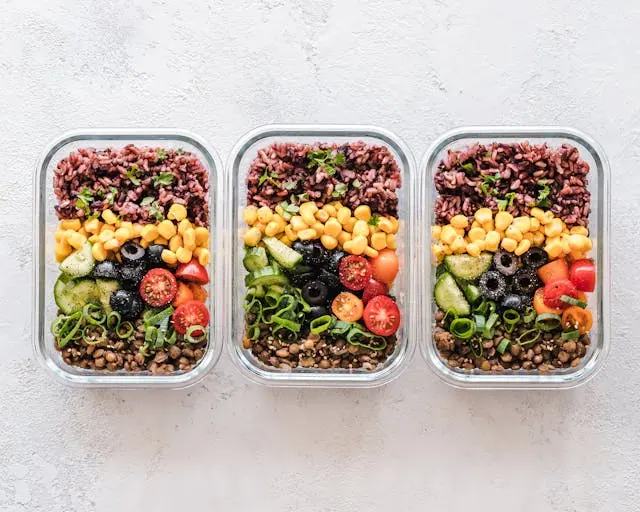
Nutrition: Building a Healthy Plate for Your Child
Good nutrition is the cornerstone of maintaining a healthy weight. Here’s how you can make it practical and enjoyable:
1. Focus on Whole Foods
- Encourage fruits and vegetables daily.
- Choose whole grains over refined options (brown rice, whole wheat bread).
- Incorporate lean proteins such as chicken, beans, fish, and eggs.
- Use healthy fats like olive oil, avocado, and nuts.

2. Portion Control
Children’s portion sizes are smaller than adults’. Teaching mindful eating—stopping when full and not overeating—can help them listen to their body’s hunger cues.
3. Reduce Processed Foods
Minimize foods high in sugar, salt, and unhealthy fats. Instead of soda and chips, offer water, fresh fruit, yogurt, or air-popped popcorn.
4. Healthy Beverages
Encourage water as the primary drink. Limit juice intake and avoid sugary drinks, which are one of the leading causes of childhood obesity.
Physical Activity: Keeping Kids Moving
Regular physical activity not only helps maintain a healthy weight but also improves mood, concentration, and overall fitness. Children should aim for at least 60 minutes of physical activity per day.
Fun Ideas to Keep Kids Active
- Outdoor play (cycling, skating, soccer, basketball).
- Family walks or hikes.
- Dancing to music at home.
- Martial arts, swimming, or gymnastics classes.
- Active chores like gardening or washing the car.
Healthy Sleep and Its Impact on Weight
Sleep plays a vital role in maintaining a healthy weight. Children who do not get enough sleep are more likely to struggle with weight gain. Establishing bedtime routines, limiting screen time before bed, and ensuring a quiet sleep environment are key strategies.
Managing Screen Time
Too much screen time is linked to sedentary behavior and unhealthy snacking. Set clear boundaries around TV, smartphones, and video games. Encourage your child to balance screen time with active hobbies.
Emotional Health and Eating Habits
Emotional well-being is deeply tied to eating behaviors. Stress, boredom, or sadness can trigger overeating or unhealthy food choices. Help your child develop coping mechanisms such as talking about feelings, engaging in creative activities, or exercising instead of turning to food for comfort.
Creating a Healthy Home Environment
Your home environment strongly influences your child’s health. Here are strategies to make it supportive:
- Keep healthy snacks easily available.
- Involve your child in grocery shopping and meal preparation.
- Eat meals together as a family whenever possible.
- Avoid using food as a reward or punishment.
- Model balanced eating and an active lifestyle yourself.
Working with Schools and Communities
Children spend a large portion of their day at school. Partnering with schools can ensure that your child is exposed to healthy foods and opportunities for physical activity. Advocate for nutritious cafeteria meals, active recess periods, and after-school sports programs.
Recognizing and Addressing Weight Challenges Early
If you notice your child is gaining weight too quickly, don’t panic. Instead, take proactive steps. Consult your pediatrician for guidance, avoid labeling your child as “overweight,” and focus on healthy lifestyle changes for the whole family instead of singling your child out.
Common Mistakes Parents Should Avoid
- Restrictive Dieting: Avoid putting your child on harsh diets; it may harm growth and self-esteem.
- Skipping Meals: This often leads to overeating later.
- Food Shaming: Criticizing food choices can lead to guilt and unhealthy relationships with food.
- Ignoring Activity: Relying only on nutrition while ignoring exercise is less effective.
Long-Term Benefits of Healthy Habits
Teaching your child to maintain a healthy weight creates benefits that extend into adulthood, including reduced risks of chronic diseases, improved self-image, and greater academic and social success.
FAQs on Helping Your Child Maintain a Healthy Weight
1. What is the best way to encourage my child to eat healthy foods?
Make healthy foods fun, involve your child in cooking, and avoid forcing them to eat. Encourage variety and offer choices.
2. How can I motivate my child to be more active?
Focus on fun activities instead of structured exercise. Play games, join family activities, and reduce sedentary screen time.
3. Should I talk to my child about their weight?
Discuss health and strength rather than numbers on the scale. Promote a positive self-image while encouraging healthy habits.
4. Can genetics play a role in my child’s weight?
Yes, genetics can influence body shape and metabolism, but lifestyle choices still play the largest role in overall weight management.
Conclusion: Your Role as a Parent
Helping your child maintain a healthy weight is about balance, consistency, and creating an environment that supports healthy growth. By focusing on nutrition, activity, sleep, and emotional health, you equip your child with lifelong tools for well-being. Remember, this is not about perfection but about progress—every healthy choice you make together counts.
Start today by making one small change—whether it’s preparing a nutritious meal, taking a family walk, or setting screen time limits. Over time, these steps add up and help your child thrive physically, emotionally, and socially.