
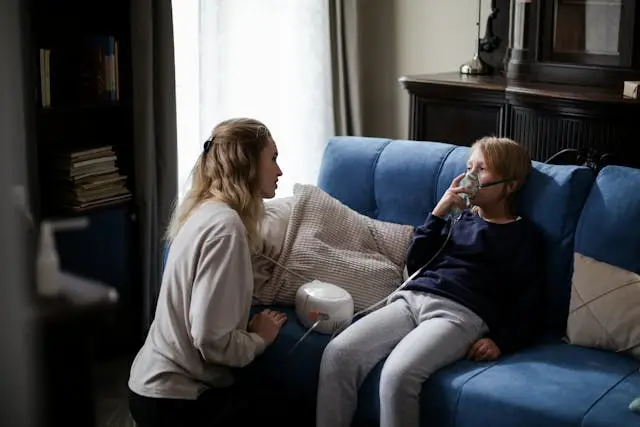
Managing Asthma in Children: A Complete Guide
Managing Asthma in Children: A Complete Guide
Helping parents understand, manage, and support children with asthma effectively.
Thank you for reading this post, don't forget to subscribe!Introduction
Asthma is one of the most common chronic conditions in childhood, affecting millions of kids worldwide. As a parent, hearing your child wheeze, cough, or struggle to breathe can feel frightening and overwhelming. The good news is that with the right care, education, and strategies, you can ensure that your child lives a healthy, active, and fulfilling life.
This complete guide to managing asthma in children will help you understand the condition, recognize triggers, explore treatments, and develop practical routines that keep your child safe and thriving.
Table of Contents
What Is Asthma in Children?
Asthma is a chronic lung condition where the airways become inflamed and narrow, making it hard for air to move in and out of the lungs. Children with asthma often experience recurring episodes of:
- Wheezing (a whistling sound when breathing)
- Persistent coughing, especially at night
- Shortness of breath
- Chest tightness or pain
Understanding these symptoms is the first step toward effective management.
Causes and Triggers of Childhood Asthma
While the exact cause of asthma is unknown, both genetics and environmental factors play a role. Children may be more prone to asthma if a parent also has the condition.
Common Triggers to Watch Out For
- Allergens: Dust mites, pollen, mold, and pet dander.
- Respiratory Infections: Colds and flu can worsen symptoms.
- Exercise: Physical activity can trigger exercise-induced asthma.
- Weather Changes: Cold air or sudden temperature shifts.
- Smoke and Pollution: Secondhand smoke, car exhaust, or chemicals.
- Strong Emotions: Intense crying, laughter, or stress.
Diagnosing Asthma in Children
Diagnosis can be tricky since asthma symptoms overlap with other conditions. Pediatricians may use:
- Detailed medical history (family history of allergies/asthma).
- Physical examination of lungs and breathing patterns.
- Pulmonary function tests (for older children).
- Allergy tests to identify triggers.
Treatment Options for Childhood Asthma
The goal of asthma treatment is to control symptoms, prevent flare-ups, and allow children to live normal, active lives.

1. Controller Medications
These are taken daily to reduce airway inflammation:
- Inhaled corticosteroids
- Leukotriene modifiers
- Long-acting bronchodilators (used with corticosteroids)
2. Quick-Relief Medications
Also known as rescue inhalers, these provide fast relief during asthma attacks:
- Short-acting bronchodilators (albuterol)
- Oral corticosteroids (in severe cases)
3. Allergy Treatments
If allergies are a trigger, doctors may recommend antihistamines or allergy shots (immunotherapy).
Managing Asthma at Home
Beyond medical treatment, daily care plays a huge role in managing asthma in children. Here’s how you can help at home:
1. Create an Asthma Action Plan
Work with your child’s doctor to develop a written plan that outlines daily medication use, how to recognize symptoms, and what to do in emergencies.
2. Reduce Allergen Exposure
- Wash bedding weekly in hot water.
- Use dust-proof mattress and pillow covers.
- Keep pets out of bedrooms.
- Vacuum with HEPA filters regularly.
3. Encourage Healthy Lifestyle Habits
- Balanced diet rich in fruits, vegetables, and omega-3s.
- Regular physical activity with proper precautions.
- Adequate sleep to strengthen immunity.
4. Teach Inhaler Technique
Many children misuse inhalers. Teach them how to breathe in medication properly, possibly with a spacer for better delivery.
Asthma and School Life
Managing asthma shouldn’t stop your child from enjoying school or extracurricular activities.
- Inform teachers, coaches, and the school nurse about your child’s condition.
- Provide a copy of the asthma action plan to the school.
- Make sure your child carries a rescue inhaler if recommended by the doctor.
Emergency Management: What to Do During an Asthma Attack
Every parent must know the emergency steps:
- Stay calm to avoid panicking your child.
- Help your child use their rescue inhaler.
- Encourage them to sit upright and breathe slowly.
- If symptoms don’t improve within 15 minutes, seek emergency help.
Diet and Nutrition for Asthma in Children
While diet isn’t a cure, certain foods may support lung health and reduce inflammation.
| Beneficial Foods | Why They Help |
|---|---|
| Fatty fish (salmon, tuna) | Rich in omega-3s that reduce inflammation. |
| Fruits & Vegetables | High in antioxidants that protect lung tissue. |
| Whole grains | Support overall immune system function. |
| Vitamin D foods (milk, eggs) | Linked to improved lung function. |
Supporting Your Child Emotionally
Living with asthma can be stressful for children. They may feel different from peers or anxious about flare-ups. Emotional support is just as important as medical care:
- Reassure them that asthma can be managed successfully.
- Encourage open conversations about fears and frustrations.
- Help them stay active and included in sports and play.
Conclusion
Asthma doesn’t have to define your child’s life. With the right treatment, daily care, and awareness, you can help your child grow up strong, confident, and healthy. By recognizing triggers, creating a safe home environment, and following a tailored asthma action plan, you’re taking the right steps to ensure your child’s well-being. Remember, consistency and communication with your healthcare team are key.
Start today by reviewing your child’s asthma action plan and making small changes at home that can have a big impact on their health and happiness.
FAQs About Managing Asthma in Children
1. What are the first signs of asthma in children?
Common signs include frequent coughing (especially at night), wheezing, shortness of breath, and chest tightness.
2. Can children with asthma play sports?
Yes, with proper management. Many children excel in sports when asthma is under control.
3. What is an asthma action plan?
It’s a written plan from your doctor that outlines daily care, triggers to avoid, and steps to take during an asthma attack.
4. How can I make my home asthma-friendly?
Reduce dust, avoid smoking indoors, use air filters, and minimize exposure to known allergens.
5. Will my child outgrow asthma?
Some children see improvement as they get older, but asthma can persist into adulthood. Regular check-ups are essential.