
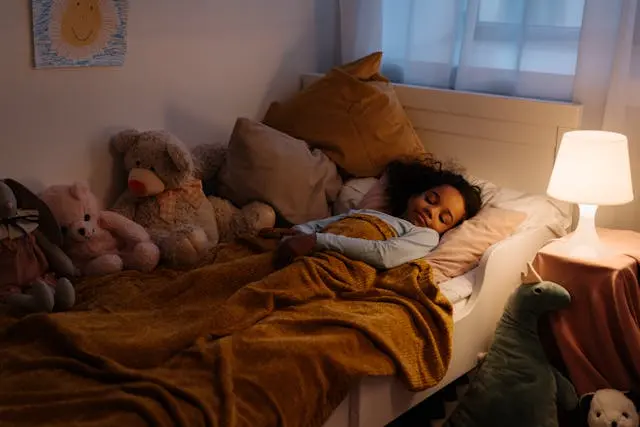
How Sleep, Routine, and Emotional Security Affect Children’s Mental Health
How Sleep, Routine, and Emotional Security Affect Children’s Mental Health
A child’s mental health is shaped long before they can clearly express what they feel. Many parents focus on school performance, manners, and physical health, but the foundations of emotional stability are built in everyday family life. Among the most powerful factors are sleep, daily routine, and emotional security.
Thank you for reading this post, don't forget to subscribe!These three areas are deeply connected. When a child sleeps well, their brain regulates emotions more effectively. When routines are predictable, they feel safer and less overwhelmed. And when they experience emotional security at home, they develop confidence and resilience that protect them from stress.
In this in-depth guide, you will learn how sleep, routine, and emotional security influence children’s mental health, what warning signs to watch for, and what practical steps you can take to support your child—starting today.
Table of Contents
Why Children’s Mental Health Starts at Home
Children do not develop emotional strength through lectures. They develop it through experience: how conflicts are handled at home, whether they feel safe expressing emotions, whether they can predict what happens next, and how supported they feel when they fail or struggle.
Mental health is not only the absence of disorders. In children, healthy mental development includes:
- Stable mood and emotional regulation
- Healthy sleep and energy levels
- Confidence and age-appropriate independence
- Ability to handle frustration and disappointment
- Healthy social interaction and trust
When sleep, routine, or emotional safety is consistently disrupted, the child’s behavior and emotional state often reflect it—sometimes loudly, sometimes quietly.
The Science of Sleep: Why It Matters So Much for Children
Sleep is not just “rest.” Sleep is when the brain organizes memories, restores energy, and processes emotions. Children’s brains are developing rapidly, which means they need more sleep than adults—and they need it consistently.
When children are sleep-deprived, they are more likely to have trouble focusing, controlling impulses, and managing strong emotions. This can look like defiance, hyperactivity, mood swings, or frequent crying.
How Sleep Supports Mental Health
A well-rested child is more likely to:
- Stay calm during frustration
- Handle change with flexibility
- Focus and learn better
- Interact socially with fewer conflicts
- Recover emotionally faster after stress
Recommended Sleep Hours by Age
| Age Group | Recommended Hours (per 24 hours) | Common Signs of Sleep Debt |
|---|---|---|
| Toddlers (1–2 years) | 11–14 hours | Frequent tantrums, clinginess |
| Preschoolers (3–5 years) | 10–13 hours | Irritability, trouble listening |
| School-age (6–12 years) | 9–12 hours | Low focus, emotional sensitivity |
| Teens (13–18 years) | 8–10 hours | Mood swings, anxiety, burnout |
If a child regularly sleeps fewer hours than recommended, parents often notice more emotional intensity and behavioral struggles—even when the child is otherwise healthy.
What Happens When Children Don’t Sleep Well?
Sleep problems in children can appear in many forms: bedtime resistance, night waking, nightmares, early waking, or difficulty falling asleep. Sometimes the cause is physical, but often it is connected to stress, overstimulation, or inconsistent routines.

Short-Term Effects of Poor Sleep
- More tantrums and emotional outbursts
- Difficulty following instructions
- Increased sensitivity to noise, frustration, or change
- More conflict with siblings and parents
- Lower motivation and energy
Long-Term Effects of Chronic Sleep Issues
When poor sleep becomes a pattern, the impact is deeper. Over time, chronic sleep problems may contribute to:
- Persistent anxiety and emotional insecurity
- Lower academic performance
- Reduced coping skills during stress
- Behavioral challenges and impulsivity
- Negative self-image (“I’m always in trouble”)
The goal is not to create a perfect sleeper. The goal is to create a stable sleep environment that supports your child’s emotional health.
Routine: The Hidden Superpower for a Child’s Emotional Stability
Routines are more than schedules. They are emotional anchors. Children feel safe when they can predict what comes next. Predictability reduces stress, builds trust, and helps the brain relax.
When routines are inconsistent, children often become more reactive—not because they want to misbehave, but because their nervous system is on alert. Many “difficult behaviors” improve dramatically when the child’s daily rhythm becomes steady.
Why Routine Improves Mental Health
- Reduces anxiety caused by uncertainty
- Improves cooperation (less arguing and resistance)
- Creates better transitions between activities
- Supports healthy sleep patterns
- Helps children develop self-discipline naturally
Daily Routines That Matter Most
| Routine | Why It Matters | Simple Example |
|---|---|---|
| Morning routine | Sets emotional tone for the day | Wake, wash, breakfast, dress |
| After-school routine | Reduces overwhelm and stress | Snack, rest, homework, play |
| Mealtime routine | Builds connection and stability | One shared meal daily if possible |
| Bedtime routine | Improves sleep and emotional safety | Bath, story, calm talk, sleep |
Emotional Security: The Foundation of Mental Health
Emotional security means a child feels safe, loved, and accepted—not only when they behave well, but also when they struggle. It is the feeling of “I am safe here” and “My emotions are allowed.”
Children with emotional security are not “spoiled” or “too sensitive.” They are supported. And that support gives them the strength to face challenges and stress without collapsing emotionally.
Signs Your Child Feels Emotionally Secure
- They seek comfort openly when stressed
- They can calm down with help
- They recover after mistakes without deep shame
- They express needs rather than only acting out
- They explore confidently because home feels safe
Signs Emotional Security May Be Weak
- Extreme fear of making mistakes
- Constant need for reassurance
- Sudden aggression or withdrawal
- Frequent nightmares or sleep changes
- Strong reactions to small problems
These signs do not automatically mean something serious is wrong. They often mean a child needs more stability, connection, and emotional reassurance.
How Sleep, Routine, and Emotional Security Work Together
Think of these three factors as a triangle. If one side is weak, the other two struggle to hold stability.
- Without sleep, emotions become intense and hard to manage.
- Without routine, the child feels uncertain and stressed.
- Without emotional security, the child feels alone with big feelings.
But when all three are supported, children become calmer, more cooperative, and emotionally stronger.
How This Looks in Real Life
| Family Pattern | Common Child Reaction | What Helps Most |
|---|---|---|
| Late bedtime + screen time | Tantrums, poor focus | Earlier bedtime + calm routine |
| Unpredictable mornings | Resistance, anxiety | Simple morning plan + preparation |
| Harsh reactions to emotions | Withdrawal or aggression | Validation + calmer discipline |
| No daily family connection | Attention-seeking behavior | Short daily bonding moments |
Practical Strategies Parents Can Use at Home
Improving children’s mental health does not require complicated systems. The best improvements usually come from small, consistent changes that create emotional stability.
1) Build a Calm Bedtime Routine (Even If It’s Short)
A bedtime routine works best when it is simple and repeatable. The goal is not entertainment. The goal is calmness and predictability.
- Dim lights 30–60 minutes before bed
- Reduce stimulating activities (loud play, intense screens)
- Include a short bonding ritual (story, gentle talk, hug)
- Keep bedtime consistent most days of the week
2) Reduce Emotional Chaos in Transitions
Many daily meltdowns happen during transitions: leaving home, stopping play, preparing for bed, or switching tasks. Children handle transitions better when parents prepare them.
- Give a simple warning: “In 5 minutes, we will clean up.”
- Offer one small choice: “Do you want to walk or be carried?”
- Keep your tone calm, not rushed
3) Create a “Daily Connection Moment”
A child does not need hours of attention. They need consistent, focused moments of emotional presence. This can be as short as 10 minutes a day.
- Play one small game together
- Read a book and talk about it
- Ask one meaningful question at bedtime
- Listen to your child’s story without interrupting
4) Replace Harsh Correction With Calm Teaching
Discipline works best when it teaches skills, not fear. Children learn emotional regulation from adults who model it.
- Describe the behavior: “Throwing hurts people.”
- Offer an alternative: “You can stomp your feet instead.”
- Repair after conflict: “I’m here. We can try again.”
5) Protect Sleep by Managing Screens Wisely
Screens are not always the enemy, but timing matters. Fast-paced content close to bedtime can overstimulate the brain and make sleep more difficult.
- Avoid screens 60 minutes before sleep when possible
- Use calm activities in the evening
- Keep devices out of the bedroom at night
Common Myths Parents Believe About Children’s Sleep and Mental Health
Myth 1: “My child will sleep when they are tired.”
Many children become more hyperactive when overtired. Their bodies produce stress hormones that make it harder to calm down.
Myth 2: “If my child cries, I should ignore it so they learn.”
Children learn emotional regulation through connection first. Comfort does not spoil a child. It teaches safety.
Myth 3: “Routine is too strict and makes life boring.”
A predictable routine does not remove joy. It reduces chaos. Within structure, children feel safe enough to explore freely.
Frequently Asked Questions (FAQ)
How do I know if my child’s sleep problems are affecting mental health?
If your child shows frequent irritability, strong emotional reactions, low focus, or increased anxiety that improves after better sleep, sleep may be a key factor.
What is the best bedtime routine for children?
The best routine is consistent, calming, and simple—usually including hygiene, a short bonding activity, and a predictable bedtime.
Can routine reduce tantrums?
Yes. Tantrums often increase when children feel overstimulated or uncertain. Predictable routines reduce stress and support emotional regulation.
How can I build emotional security if my child is very sensitive?
Sensitive children benefit from calm validation, predictable daily patterns, and consistent reassurance that their feelings are accepted.
Conclusion
Sleep, routine, and emotional security are not separate parenting topics—they are deeply connected foundations of a child’s mental health. When children sleep well, their brains regulate emotions more effectively. When routines are predictable, their nervous systems relax. And when they feel emotionally secure, they develop resilience, confidence, and inner stability.
Parents do not need perfect strategies to support mental health. They need consistency, connection, and a home environment where children feel safe to grow. Small daily changes can lead to powerful long-term results.