How Educational Toys Support Emotional and Cognitive Development in Children
How Educational Toys Support Emotional and Cognitive Development in Children
Play is not just entertainment for children. It is one of the most important ways they learn, grow, and understand the world. Through play, children develop their thinking skills, emotional awareness, creativity, and confidence. Educational toys, when chosen thoughtfully, can become powerful tools that support both cognitive and emotional development.
Thank you for reading this post, don't forget to subscribe!Many parents assume that educational toys must be expensive or highly technical to be effective. In reality, the best educational toys are often simple, open-ended, and designed to encourage imagination, problem-solving, and connection. A toy that invites a child to explore and create can shape skills that last a lifetime.
In this guide, we will explore how educational toys support brain development, emotional growth, and social skills, and how parents can select toys that truly help children thrive.
Table of Contents
Why Play Is Essential for Child Development
Children learn differently from adults. They do not learn best through lectures or instructions. They learn through experience, interaction, curiosity, and discovery. Play allows children to practice real-life skills in a safe and enjoyable way.
Educational toys provide structure for play while still allowing freedom. They encourage children to think, solve problems, test ideas, and express emotions.
Core Benefits of Play
- Strengthens brain connections during early development
- Builds communication and language skills
- Improves emotional regulation and resilience
- Encourages creativity and independent thinking
- Supports social interaction and cooperation
What Makes a Toy “Educational”?
An educational toy is not defined by flashing lights or academic labels. Educational toys are toys that promote learning through engagement. They help children develop specific skills while still feeling enjoyable and natural.
The most valuable educational toys share three qualities:
- Open-ended: The child can play with them in many ways
- Age-appropriate: They match the child’s developmental stage
- Skill-building: They encourage thinking, creativity, or emotional growth

Cognitive Development: How Toys Shape the Growing Brain
Cognitive development refers to how children learn to think, remember, solve problems, and understand relationships between ideas. Educational toys can support these abilities by challenging children in playful ways.
Key Cognitive Skills Supported by Educational Toys
| Cognitive Skill | Toy Examples | How It Helps |
|---|---|---|
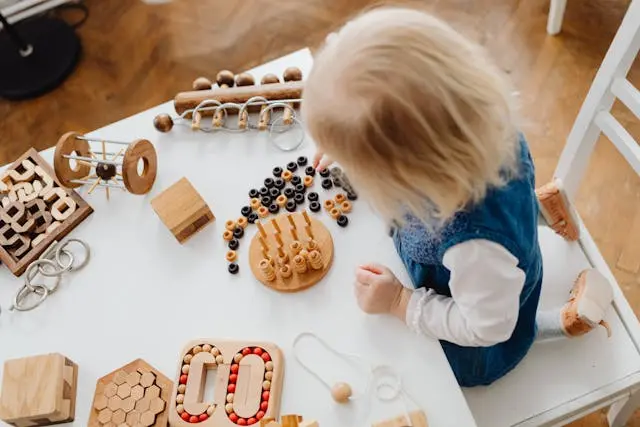
| Problem-solving | Puzzles, building blocks | Encourages logical thinking and persistence |
| Memory and attention | Matching games, board games | Improves focus and recall |
| Language development | Storytelling toys, books | Expands vocabulary and expression |
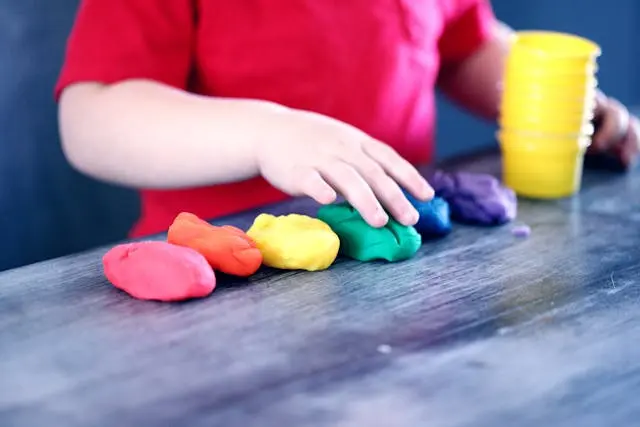
| Creativity | Art kits, pretend play sets | Encourages imagination and innovation |
| Fine motor skills | Stacking toys, drawing tools | Strengthens hand coordination |
These cognitive skills are foundational for school learning, but they also affect confidence and independence beyond academics.
Emotional Development: Toys as Tools for Feelings and Confidence
Educational toys do more than develop thinking. They also shape emotional intelligence. Emotional development includes understanding feelings, managing frustration, building empathy, and developing confidence.
When children play, they experience emotions in real time: excitement, disappointment, pride, curiosity, and even anger. The right toys help them practice emotional regulation naturally.
How Educational Toys Support Emotional Growth
- They teach patience through trial and error
- They build confidence through mastery
- They offer safe ways to express feelings
- They encourage resilience after mistakes
Examples of Emotion-Building Toys
| Toy Type | Emotional Skill Developed | Why It Works |
|---|---|---|
| Puzzles | Patience and persistence | Children learn not to give up easily |
| Pretend play sets | Empathy and social understanding | Children explore roles and emotions |
| Building toys | Confidence and creativity | Children see the results of effort |
| Cooperative games | Sharing and teamwork | Children learn to play with others |
Social Skills: Learning Through Play With Others
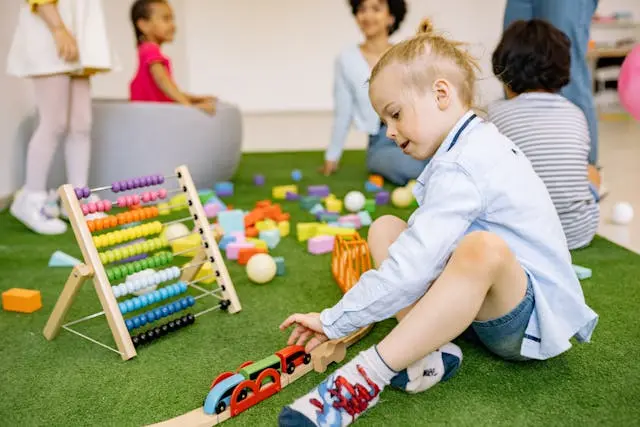
Many educational toys become even more valuable when children play with siblings, parents, or peers. Social play teaches communication, cooperation, and conflict resolution.
Children learn important lessons through shared play, such as waiting their turn, listening, negotiating, and respecting others’ feelings.
Best Toys for Social Development
- Board games that require turn-taking
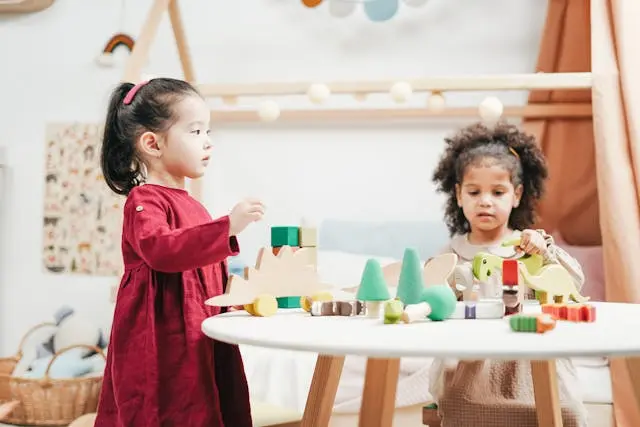
- Pretend play kits for role-playing
- Building projects that encourage teamwork
- Group art activities and shared creativity
How to Choose the Right Educational Toys by Age
The best toy is one that matches the child’s developmental stage. Toys that are too advanced can cause frustration, while toys that are too simple may not engage the child’s curiosity.
Age-Based Toy Recommendations
| Age | Best Educational Toys | Main Skills Developed |
|---|---|---|
| 1–2 years | Stacking toys, sensory blocks | Motor skills, exploration |
| 3–5 years | Pretend play, simple puzzles | Language, creativity |
| 6–8 years | Building kits, board games | Problem-solving, social skills |
| 9–12 years | STEM kits, strategy games | Critical thinking, planning |
Common Mistakes Parents Make When Buying Toys
1. Choosing Toys Based on Marketing, Not Development
Many toys are labeled “educational” without offering meaningful learning. Focus on engagement, not branding.
2. Buying Too Many Toys
Children benefit more from a few high-quality, open-ended toys than from cluttered collections.
3. Prioritizing Entertainment Over Interaction
The best toys invite children to think and participate, not simply watch or press buttons.
Frequently Asked Questions (FAQ)
Do educational toys really make children smarter?
Educational toys support skill development, but the greatest benefits come when children actively engage and when parents interact with them during play.
Are expensive toys better for development?
Not necessarily. Simple toys like blocks, puzzles, and pretend play items are often more effective than high-tech toys.
How many educational toys does a child need?
A small variety of open-ended toys is usually enough. Quality matters far more than quantity.
What toys best support emotional development?
Pretend play sets, cooperative games, and creative building toys are excellent for emotional intelligence and confidence.
Conclusion
Educational toys are more than play objects. They are tools that support children’s cognitive growth, emotional resilience, creativity, and social understanding. When chosen wisely, they help children build skills that extend far beyond childhood.
The best educational toys are those that encourage curiosity, allow open-ended exploration, and make learning feel natural and joyful.