
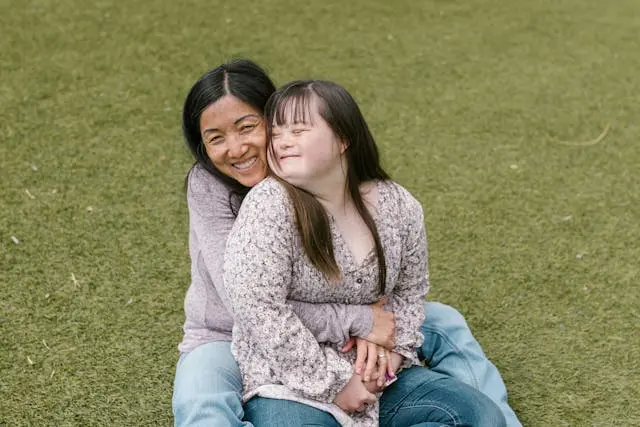
Parenting a Child with Special Needs: A Practical and Emotional Guide for Families
Parenting a Child with Special Needs: A Practical and Emotional Guide for Families
Thank you for reading this post, don't forget to subscribe!Parenting a child with special needs is a journey filled with unique challenges, deep love, resilience, and growth. While every child deserves patience, guidance, and understanding, children with developmental, physical, behavioral, or learning differences often require additional support and advocacy.
For many parents, the diagnosis of a developmental delay, disability, or special condition can feel overwhelming at first. Questions about the future, education, healthcare, and independence may arise. However, with the right knowledge, emotional preparation, and support systems, families can build strong, fulfilling lives that empower both parents and children.
Table of Contents
Understanding Special Needs in Children
The term “special needs” includes a wide range of conditions. These may involve developmental delays, autism spectrum disorder, ADHD, learning disabilities, physical disabilities, sensory impairments, or chronic medical conditions.
Each child is unique. Two children with the same diagnosis may have completely different strengths and challenges. That is why individualized support is essential.
Common Types of Special Needs
- Autism spectrum disorder
- Attention-deficit/hyperactivity disorder (ADHD)
- Speech and language delays
- Learning disabilities
- Physical disabilities
- Sensory processing challenges
Understanding your child’s specific needs allows you to create tailored strategies for growth and development.
Key Statistics About Children with Special Needs
| Area | Finding | Parenting Insight |
|---|---|---|
| Developmental Conditions | Approximately 1 in 6 children | Early support improves outcomes |
| Autism Spectrum | Affects millions of children worldwide | Early intervention is crucial |
| Learning Disabilities | Common in school-age children | Individualized education plans help |
Emotional Journey of Special Needs Parenting
It is normal for parents to experience a range of emotions after receiving a diagnosis. Feelings may include confusion, sadness, fear, guilt, or even relief at finally having answers.
Accepting these emotions without judgment is part of the process. Seeking support from professionals, support groups, or trusted family members can ease the emotional burden.
Building a Strong Support System
No parent should navigate special needs parenting alone. Support systems may include:
- Pediatric specialists
- Therapists (speech, occupational, behavioral)
- Teachers and school counselors
- Parent support groups
A strong network not only benefits the child but also supports parental well-being.
The Importance of Early Intervention
Research consistently shows that early intervention improves long-term outcomes for children with developmental delays. Therapy and specialized support in early childhood can significantly enhance communication, motor skills, and social development.
The earlier families begin targeted support, the greater the progress children often achieve.
Creating Structured and Supportive Routines
Many children with special needs thrive with predictable routines. Structure provides security and reduces anxiety.
- Maintain consistent meal and sleep schedules
- Use visual schedules if helpful
- Prepare children in advance for transitions
Small adjustments in daily routines can reduce stress for the entire family.
Advocating for Your Child in School
Education plays a critical role in your child’s development. Parents often need to advocate for appropriate accommodations, therapy services, and individualized learning plans.
An Individualized Education Plan (IEP) or equivalent support plan can outline specific goals and accommodations tailored to your child’s needs.
Encouraging Independence and Confidence
While children with special needs may require additional support, fostering independence remains essential. Encouraging small responsibilities builds confidence and self-worth.
Celebrate progress, no matter how small. Growth may look different for each child, but every milestone matters.
Supporting Siblings and Family Balance
Siblings may also experience a range of emotions. Open communication helps ensure all children feel heard and valued.
Creating individual bonding time with each child supports family balance and emotional well-being.
Managing Parental Stress
Special needs parenting can be emotionally and physically demanding. Parents must prioritize self-care to maintain long-term strength.
- Seek professional counseling if needed
- Join local or online support groups
- Schedule regular breaks when possible
A supported parent is better equipped to support their child.

Common Challenges in Special Needs Parenting
- Navigating healthcare systems
- Managing financial stress
- Addressing social stigma
- Balancing family responsibilities
Recognizing challenges allows families to seek practical solutions rather than internalizing frustration.
Frequently Asked Questions
How can I emotionally cope after a diagnosis?
Allow yourself time to process emotions and seek support from professionals or other parents in similar situations.
Will my child live independently?
Independence levels vary depending on the condition and support provided. Early intervention increases opportunities for independence.
How do I explain my child’s needs to others?
Use simple, respectful explanations focused on strengths and differences rather than limitations.
Final Thoughts
Parenting a child with special needs requires resilience, patience, and advocacy. While challenges exist, so do extraordinary moments of growth, strength, and connection.
With early support, structured routines, and a strong community, families can create nurturing environments where children with special needs thrive and reach their fullest potential.