

Why Is My Teenager Always Tired? Sleep, Stress, and Support
The word lazy gets used a lot around teenagers.
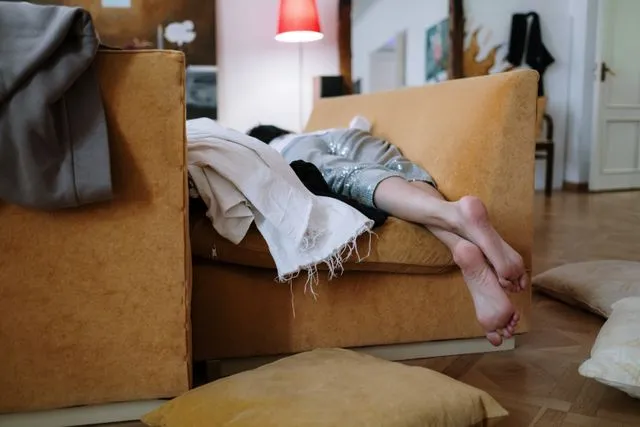
He sleeps until noon and calls it recovery. She has been in her room for three hours and has done nothing visible. He said he would do it after dinner and now it is ten o’clock. She sits in front of a task for forty minutes and produces nothing. From the outside, it looks exactly like the thing parents have always called laziness: the deliberate avoidance of effort.
Before treating low energy as a character flaw, ask what has changed. Insufficient sleep, a demanding schedule, emotional distress, and physical illness can all be relevant. Watching a teenager stay in their room cannot tell us which explanation applies.
People sometimes use “teen burnout” to describe exhaustion and disengagement around school or other demands. That label is not a diagnosis and should not become a shortcut for explaining persistent fatigue.
This guide offers practical questions and a way to reduce avoidable pressure while deciding whether professional assessment is needed. Support at home and medical care can happen together.
Table of Contents
Understanding the Demands on Your Teenager
Adults tend to have a vague memory of adolescence as a period of freedom — high energy, late nights, the intensity of everything. What they remember less clearly is the cost.
Adolescence involves changes in sleep, emotions, relationships, and responsibilities. The National Institute of Mental Health’s overview of the teen brain explains that sleep timing and responses to stress can differ from those of adults. These developmental changes do not explain every case of exhaustion.
Rest is a reasonable need, but being persistently unwell should not be dismissed as the brain doing invisible work. Notice whether your teenager can take part in their usual day and whether their energy has changed from their own baseline.
Map the actual demands in your teenager’s week: school, travel, paid work, caring responsibilities, study, activities, and time with friends. Families differ, and a schedule that suits one teenager may be too much for another.
Ask which demands feel hardest and which activities still bring enjoyment. The answers are a starting point for support, not proof of a particular condition.
The Sleep Debt Problem
Sleep is an important part of the conversation, alongside mood and physical health. Ask about both time available for sleep and how restful that sleep feels.
The CDC’s sleep guidance lists 8–10 hours per 24 hours for teenagers aged 13–17; recommendations for adolescents from the American Academy of Sleep Medicine cover ages 13–18. Individual concerns about sleep still deserve assessment even when the total appears adequate.
Many teenagers find it easier to fall asleep later and harder to wake early. The pattern varies; it is not accurate to assign every teenager the same two-hour shift or equate their school wake-up time with a fixed adult time.
School schedules, commuting, late work, stress, and device use may leave too little sleep opportunity. Write down the evening timetable together before deciding that an earlier bedtime is simply a matter of willpower.
For practical bedtime planning, see our guide to teenagers and sleep. A better routine may help, but it cannot establish why a particular teenager is fatigued.
For the next-day planning side, our teen morning routine guide shows how to work backwards from departure time without automatically cutting sleep to make the timetable fit.
| What to note | A useful question |
|---|---|
| Sleep opportunity | When can you realistically settle, and when must you wake? |
| Night waking | Do noise, alerts, discomfort, or worries interrupt sleep? |
| Daytime functioning | Are you struggling to stay awake or manage ordinary tasks? |
| Other changes | Have mood, appetite, health, medication, or routines changed? |
Keep brief notes to support a conversation or healthcare visit. This is not a sleep-disorder screening test.
The Phone in the Room
Find out what happens around bedtime before assuming the phone is the main cause.
Notifications, a conversation that feels hard to leave, or watching one more video can delay bedtime. Ask what your teenager finds difficult about stopping and whether there are other reasons they cannot sleep.
You do not need a dopamine explanation to agree on a quieter evening. Try a specific change: silence nonessential alerts, finish a conversation before bedtime, or move charging away from the bed.
Review whether the change helps. A phone-free bedroom is an option, not a guaranteed treatment for fatigue. Arrange any necessary alarm, medical, accessibility, or emergency-contact functions before moving a device.
Make expectations clear for adults too. If the teenager still struggles to sleep or remains exhausted, investigate further instead of escalating restrictions indefinitely.
Academic Pressure and the Motivation Paradox
Ask what “not doing the work” means in practice. The task may be unclear, too large, frightening, or genuinely beyond the time or support available.
Compare two possible situations: a teenager who cannot understand the assignment and one who understands it but does not know how to begin. More reminders do not resolve either problem on their own.
For an unclear task, identify the question to take to the teacher. For a large task, agree on one small first action and a realistic stopping point. These are practical options, not a treatment for persistent exhaustion.
Avoid assuming that grades or external expectations have destroyed motivation. Ask which parts of school are difficult and whether the teenager needs help with learning, relationships, workload, or wellbeing.
If starting homework is the specific obstacle, our guide to homework procrastination offers a structured approach. It should not be used to push a persistently unwell teenager to work through symptoms.
I am not suggesting that academic expectations should be abandoned or that standards do not matter. I am suggesting that a teenager who has lost their motivation for school deserves a more curious response than “he is lazy” or “she needs to try harder.” The more useful question is: what were they genuinely interested in before school took over? What do they care about when no one is grading them? What would they work at if the result was not going to be assessed?
Take their answers seriously even if you cannot change everything immediately. Agree on one action you can take and a time to review it.
Social Media and the Invisible Workload
Online relationships can provide support and can also create demands. Ask about the teenager’s experience rather than assuming that every post or message feels like work.
A useful question is, “Do you feel you have to reply straight away?” If the answer is yes, explore whether that comes from habit, social expectations, or someone pressuring or threatening them.
Help them identify a way to step away while maintaining safe contact. A planned offline period, fewer notifications, or support with an upsetting interaction may be relevant.
Passive scrolling and active messaging are not sufficient labels for judging harm. The content, people involved, timing, and the teenager’s response all matter.
Our guide to teenagers and social media discusses boundaries, online harassment, and when to seek help without treating a screen-time total as a diagnosis.
Changes Worth Taking Seriously
Look for a change from your teenager’s usual pattern rather than trying to recognise a fixed burnout profile.
Loss of interest, persistent low energy, or difficulty attending school deserves attention. Note when the change began, what else was happening, and whether it affects activities the teenager normally enjoys.
Headaches, stomach discomfort, and ongoing fatigue have several possible causes. Do not assume they are simply the body expressing stress, and do not dismiss symptoms because they are not visible.
The WHO’s ICD-11 description of burnout concerns the occupational context and is not classified as a medical condition. It should not be presented as a diagnostic checklist for a school-age teenager.
| Observation | What to do with it |
|---|---|
| Energy has changed | Record when it began and how it affects the day. |
| Previously enjoyed activities feel difficult | Ask about mood, physical symptoms, and what support would help. |
| Symptoms persist or worsen | Arrange healthcare advice instead of relying on a burnout label. |
| Immediate safety concern | Seek urgent local help. |
What Helps — and What Does Not
Begin with support and a realistic picture of the week. These adjustments can accompany professional care; they are not a substitute for finding the cause of persistent symptoms.
Replace repeated demands to try harder with a concrete question: “What is getting in the way today?” You can keep appropriate expectations while helping to identify what the teenager needs.
Avoid comparisons with siblings or classmates. Describe the change you have noticed in this teenager, and listen without requiring them to prove that they are struggling.
Do not wait indefinitely for a phase to pass. The NHS advises medical review for unexplained tiredness lasting a few weeks or affecting daily life, and when other symptoms occur. Seek advice sooner when symptoms are severe or worsening.
Together, identify one avoidable demand, one source of support, and one follow-up action. The goal is a manageable next step rather than a promise that rest alone will solve the problem.
If the timetable is overloaded, discuss what can be paused, shortened, or supported. Keep activities the teenager finds valuable where possible, and involve teachers or activity leaders when adjustments are needed.
Offer recovery time that suits the teenager’s health and preferences. Do not prescribe a fixed two-week recovery or insist on exercise through worsening symptoms. If activity reliably makes them feel much worse, describe this to their clinician.
Being seen accurately means having someone — a parent, ideally, though not necessarily — who names what they observe without judgment: “I can see you are really depleted right now. I am not going to pretend I’m not worried about some things. But I am also not going to add to the pressure. What do you need right now?” That question, asked genuinely rather than rhetorically, sometimes opens something that no amount of encouragement or challenge has been able to reach.
Persistent irritability, low mood, hopelessness, loss of interest, or changes in eating and sleep may warrant mental-health assessment. NIMH’s guidance on teen depression explains signs and ways to get help. If there is immediate danger or concern about self-harm, seek urgent local help rather than waiting for routine changes to work.
The Conversation Worth Having
I want to end with something practical.
If you recognise your teenager in this article — the flatness, the disengagement, the sense that something that used to be there has gone quiet — there is a conversation worth attempting. Not the conversation about grades or effort or the future. A different one.
Something like: “I’ve been thinking. I’ve been asking a lot of you lately, and I’m not sure I’ve been paying attention to how you actually are. Not how school is going. How you are.”
And then — this is the hard part — waiting. Not filling the silence with solutions or reassurances or follow-up questions. Just waiting to see what comes back.
They may answer briefly or prefer to speak later or to another trusted adult. Offer that choice and follow up calmly. A reluctant response does not prove that everything is fine or that something is being hidden.
A conversation can open a route to support. It cannot diagnose the problem, guarantee recovery, or replace assessment when symptoms persist.
Frequently Asked Questions
How do I know if my teenager is lazy or genuinely burnt out?
You cannot reliably sort a teenager into “lazy” or “burnt out” from a few behaviours. Look at changes in sleep, energy, mood, and daily functioning, and seek assessment when concerns persist. Support does not require choosing a label first.
Should I reduce my teenager’s activities if they seem burnt out?
Review the schedule with them rather than removing every activity automatically. Some commitments are draining; others offer enjoyment and support. Agree on a manageable adjustment and involve school or health professionals as appropriate.
Could my teenager’s exhaustion be depression rather than burnout?
Yes, fatigue and loss of interest can occur with depression and with other physical or mental-health conditions. Improvement after rest does not rule depression out. Seek professional assessment for persistent or concerning changes, and urgent help for immediate safety concerns.
My teenager says they are fine but clearly are not. What do I do?
“I’m fine” is often the most available answer, not the most accurate one. Rather than pushing for a more truthful verbal response — which tends to produce defensiveness — try attending to what you observe rather than what they say. “I can see you seem tired lately” is different from “tell me what’s wrong.” Being present without demanding disclosure, maintaining the relationship without making your engagement conditional on their openness, and keeping the door visibly and consistently open is often more effective than direct confrontation of the gap between “fine” and what you can see.
Is there a way to prevent teenage burnout before it happens?
You cannot guarantee prevention. Make room for adequate sleep, a manageable timetable, support, and opportunities to raise concerns early. Revisit the plan when circumstances change instead of judging success by constant productivity.
My teenager sleeps twelve hours on weekends and is still tired. Is this a medical issue?
Long weekend sleep does not identify the cause of fatigue. If your teenager remains tired despite sufficient sleep opportunity, or the problem persists or affects daily life, arrange a medical review. A clinician can consider the history and examination and decide whether tests are appropriate; do not start supplements or assume a thyroid or iron problem from symptoms alone.
Younes Kehal is an educational director, certified school coach, and certified life coach with 20 years of experience working with children, families, teachers, and schools. His guidance combines practical educational experience with carefully reviewed research.