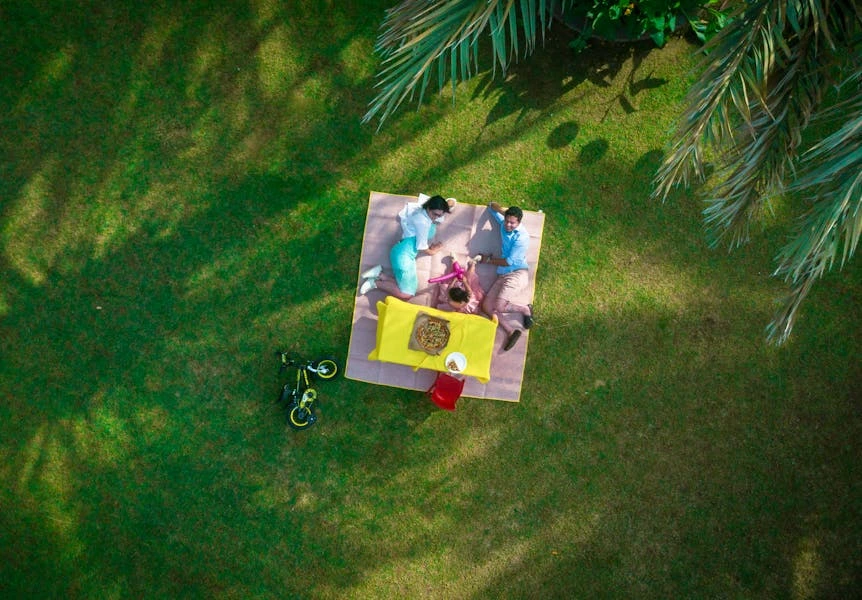
Raising Eco-Conscious Kids: A Practical Guide for Sustainable Parenting
Raising Eco-Conscious Kids: A Practical Guide for Sustainable Parenting
Why Eco-Conscious Parenting Matters More Than Ever
Raising children in a world facing climate change, pollution, and overconsumption can feel overwhelming. But as a parent, your daily choices can make a profound impact—not just on the environment, but on your child’s mindset and future. Eco-conscious parenting is more than reusable nappies or organic food; it’s about instilling sustainable habits and values that children carry with them for life.
Thank you for reading this post, don't forget to subscribe!Eco-conscious parenting isn’t just a lifestyle trend—it’s a thoughtful response to the urgent environmental challenges our planet faces. As global temperatures rise and natural resources dwindle, teaching children to live in harmony with nature is essential. Children who grow up in homes that emphasize sustainability are more likely to adopt green habits, develop empathy for nature, and contribute meaningfully to future environmental solutions.
- Climate Literacy: Understanding environmental issues helps children make informed and responsible decisions throughout their lives.
- Long-term Financial Savings: Sustainable habits often reduce household expenses by cutting down on waste and unnecessary purchases.
- Health Benefits: Eco parenting often includes cleaner air, organic foods, and reduced exposure to toxins found in many conventional products.
Simple Sustainable Swaps for Eco-Conscious Parenting at Home
Eco parenting starts with everyday choices. Here are small swaps that make a big difference:
- Reusable Diapers: Switching from disposable to cloth diapers can save thousands of diapers from landfills each year. Cloth diapers are now available in modern, convenient styles, making the transition easier than ever.
- Cloth Wipes: Reusable wipes are gentle on baby’s skin and reduce waste. They can be washed along with cloth diapers, making them practical and eco-friendly.
- Hand-Me-Downs: Sharing clothes and toys cuts down on fast fashion and unnecessary manufacturing. Organize clothing swaps with other parents or use local secondhand shops.
- DIY Natural Cleaners: Replace toxic chemicals with simple, homemade alternatives using vinegar, lemon juice, and baking soda. These cleaners are safer for children and the environment.
Teaching Sustainability Through Daily Routines for Eco-Conscious Parenting
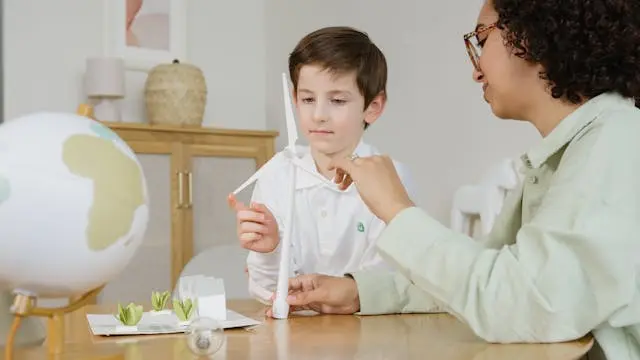
Children learn best by watching and doing. Let them participate in sustainable habits to reinforce their importance:
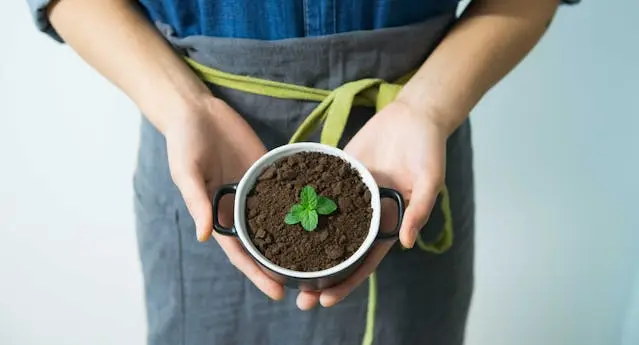
- Composting: Teach your child how food scraps become nutrient-rich soil. This hands-on activity connects them with natural cycles and reduces kitchen waste.
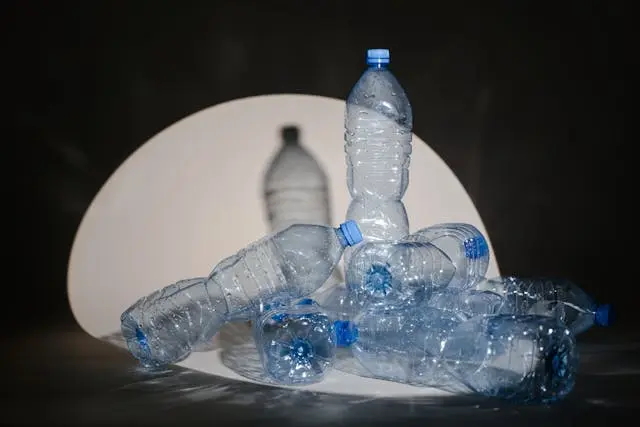
- Recycling: Set up clearly labeled bins and explain which materials belong where. Make it a fun sorting game!
- Plant Care: Let your child help water plants or care for a small herb garden. This nurtures responsibility and a connection to living things.
Eco-Friendly Meal Planning
Family meals are a great place to reinforce sustainability. Teaching kids about food origins and waste helps cultivate mindful eaters:
- Choose local and seasonal produce: Foods grown nearby require less transportation and tend to be fresher and more nutritious.
- Limit meat consumption: Introducing more plant-based meals can reduce your family’s carbon footprint.
- Involve kids in cooking: When children help prepare meals, they learn about ingredients and develop a greater appreciation for food, which can reduce waste.
Minimalist Toy Philosophy
More toys don’t mean more happiness. Choosing quality over quantity teaches children to value what they have. Opt for open-ended toys made of natural materials like wood or fabric, which encourage imagination and creativity. Additionally, rotating toys regularly keeps playtime engaging without clutter.
Green Celebrations and Birthdays
Celebrations can be eco-friendly without sacrificing fun. Consider these ideas for green parties:
- Use digital invitations: Save paper and reduce waste by sending invites electronically.
- Gift wrapping: Use reusable fabric wraps, old newspapers, or reusable bags instead of single-use wrapping paper.
- Serve homemade treats: Avoid packaged snacks and make delicious, wholesome food that kids will enjoy.
- Encourage donations or experiences: Instead of physical gifts, suggest donating to a cause or gifting experiences like museum visits or outdoor adventures.
Outdoor Time & Nature Bonding
Spending time in nature builds appreciation and respect for the environment. Whether it’s a weekend hike, a visit to the park, or backyard bug hunting, unstructured outdoor play should be a family ritual. These experiences foster curiosity, creativity, and a lifelong connection to the natural world.
Managing Eco-Anxiety in Kids
As children learn about climate change and environmental crises, they may develop feelings of anxiety or helplessness. Parents can help channel these feelings into positive action by:
- Celebrating small wins, such as saving water or picking up litter in the neighborhood.
- Reading positive and hopeful environmental stories that focus on solutions and community action.
- Encouraging participation in child-friendly eco-clubs, tree-planting events, or community cleanups.
Building a Community Around Sustainability
Parenting is easier and more impactful when done as part of a community. Join local groups or online forums focused on eco-conscious parenting to share tips, organize swap meets, and support each other’s green goals. Teaching children that they are part of a larger community working toward positive change strengthens their commitment and sense of belonging.
For more tips on sustainable living, visit EPA’s Sustainability Guide.
Learn about the benefits of eco-conscious parenting from Green Child Magazine.
For detailed advice on reducing household waste, check our Reducing Family Waste article.
Conclusion: Small Steps, Big Impact
Eco parenting isn’t about perfection—it’s about intention. Your choices today shape how your children view the planet tomorrow. By modeling conscious consumption, care for nature, and gratitude, you’re raising not only resilient kids—but hopeful ones who will carry the torch forward.