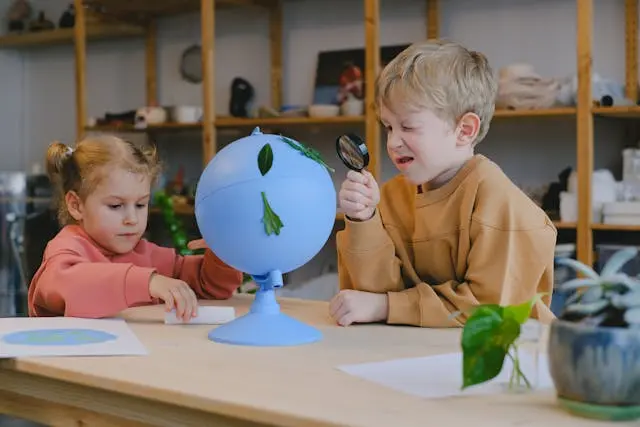

“The Power of Play: How Unstructured Play Boosts Early Childhood Development”
Table of Contents
The Power of Play: How Unstructured Play Boosts Early Childhood Development
As a parent, you’ve likely witnessed the joy and excitement on your child’s face when they’re engaged in play. But have you ever stopped to consider the profound impact that unstructured play can have on their development? Research has shown that unstructured play is essential for child development, fostering creativity, problem-solving skills, and social-emotional learning.
Thank you for reading this post, don't forget to subscribe!During early years, children learn and grow at an incredible rate, and play-based learning is a critical component of this process. By allowing your child to explore and discover the world around them through play, you’re giving them the opportunity to develop essential skills that will benefit them throughout their lives.
Key Takeaways
- Unstructured play is crucial for fostering creativity and problem-solving skills in children.
- Play-based learning is essential for social-emotional development.
- Allowing children to engage in unstructured play helps them develop critical skills.
- Play is a vital component of a child’s learning and growth process.
- Unstructured play has a positive impact on a child’s overall development.
The Hidden Magic of Child-Led Play
In the realm of child-led play, children are not just passive recipients of information; they are active explorers and learners. This form of play is crucial in early childhood development, as it allows children to navigate their surroundings, make decisions, and learn from their mistakes.
The Distinction Between Free Play and Adult-Directed Activities
Free play, or child-led play, is characterized by its lack of adult direction, allowing children to dictate the pace and direction of their activities. In contrast, adult-directed activities are structured and often have specific learning objectives. Child-led play fosters creativity and problem-solving skills, as children are not constrained by predetermined outcomes.
Why Natural Learning Environments Matter
Natural learning environments play a significant role in child-led play. These environments, which can be both indoors and outdoors, are rich in stimuli and offer a variety of materials and spaces for children to explore. They encourage curiosity and a love for learning, as children are able to engage with the world around them in a hands-on manner.
By embracing natural learning environments, parents and caregivers can support the development of resilient, adaptable children who are well-equipped to navigate the challenges of growing up.
Unstructured Play in Early Childhood: The Foundation for Development
As children engage in unstructured play, they lay the foundation for cognitive, social-emotional, and physical growth. This type of play is crucial because it allows children to explore, experiment, and learn at their own pace. Through unstructured play, children develop essential skills that are vital for their overall development.
Cognitive Skills Enhanced Through Play
Unstructured play significantly enhances various cognitive skills in children. It encourages them to think creatively, solve problems, and make decisions.
Problem-Solving and Critical Thinking
During unstructured play, children encounter problems that require solving, such as figuring out how to stack blocks or resolve a conflict with a peer. This fosters critical thinking and problem-solving skills, essential for cognitive development.
Creativity and Imagination
Unstructured play also nurtures creativity and imagination. Children use their imagination to create scenarios, characters, and stories, which enhances their ability to think outside the box and innovate.
Building Social-Emotional Intelligence
Unstructured play is a powerful tool for developing social-emotional intelligence. It provides opportunities for children to interact with peers, understand social cues, and manage their emotions.
Empathy and Perspective-Taking
Through play, children learn to put themselves in others’ shoes, developing empathy and understanding different perspectives. This is crucial for building strong, healthy relationships.
Self-Expression and Emotional Regulation
Unstructured play allows children to express themselves freely, which is vital for emotional regulation. They learn to manage their feelings, reducing the risk of emotional overwhelm and enhancing their overall well-being.
Physical Development and Coordination
Unstructured play contributes significantly to physical development. Activities such as running, climbing, and dancing improve motor skills and coordination. This type of play is essential for healthy physical growth and development.
| Developmental Area | Skills Enhanced | Examples of Unstructured Play |
|---|---|---|
| Cognitive | Problem-solving, critical thinking, creativity | Puzzles, building with blocks, imaginative play |
| Social-Emotional | Empathy, self-expression, emotional regulation | Role-playing, group games, storytelling |
| Physical | Motor skills, coordination | Running, climbing, dancing, ball games |
The Science Behind Play: How Free Play Shapes the Brain
Free play is not just a leisure activity; it’s a critical component of healthy brain development. As you watch your child engage in unstructured play, you’re witnessing more than just fun – you’re seeing the foundation of cognitive, social, and emotional growth. Research into the science behind play has revealed that it significantly impacts brain development, particularly in areas such as neural pathways and executive function skills.
The process of brain development is complex, involving the creation and strengthening of neural connections. Unstructured play is a key driver in this process, as it allows children to explore, experiment, and learn at their own pace. This self-directed learning is crucial for building a robust and adaptable brain.
Neural Pathways Strengthened During Unstructured Activities
During free play, children engage in a variety of activities that stimulate different parts of the brain. For instance, building with blocks enhances spatial awareness and fine motor skills, while imaginative play fosters creativity and problem-solving. These activities strengthen neural pathways, making the brain more efficient at processing information. This neural plasticity is the brain’s ability to adapt and change, a critical aspect of learning and development.
| Activity | Neural Pathway Impact |
|---|---|
| Block Building | Enhances spatial awareness and fine motor skills |
| Imaginative Play | Fosters creativity and problem-solving |
| Sensory Play | Develops sensory integration and processing |
Executive Function Skills and Self-Directed Learning
Executive function skills, including planning, decision-making, and self-regulation, are significantly enhanced through unstructured play. As children engage in free play, they must make decisions, set goals, and adjust their actions accordingly. This self-directed learning environment is ideal for developing these critical skills. By allowing your child to take the lead in play, you’re helping them build the executive function skills necessary for success in all areas of life.
Moreover, the development of executive function skills through play has a direct impact on academic performance and social interactions. Children who are adept at self-regulation and decision-making tend to perform better in school and have healthier relationships with their peers.
The Concerning Decline of Free Play in American Childhood
American children are experiencing a decline in free play, a trend that has far-reaching implications for their development. The reduction in unstructured playtime is not merely a matter of changing times; it’s a shift with significant consequences for children’s cognitive, social, and physical growth.
Several factors contribute to this decline, transforming the way children interact with their environment and each other. Understanding these factors is crucial for parents, educators, and policymakers aiming to reverse this trend.
Digital Media’s Impact on Play Opportunities
The rise of digital media has significantly altered how children play. Screens are increasingly replacing playgrounds, as children spend more time on tablets, smartphones, and computers. This shift towards digital engagement reduces the time available for physical, unstructured play, potentially hindering the development of essential skills.
The Overscheduled Child Phenomenon
Another factor is the overscheduling of children’s lives. With increased enrollment in structured activities like sports, music lessons, and other extracurricular activities, children have less time for free play. While these activities have their benefits, they leave little room for the spontaneity and creativity that unstructured play fosters.
Academic Pressures Pushing Down into Early Years
Furthermore, the push for academic achievement is now starting earlier in a child’s life. Early childhood education is becoming more formalized, with an emphasis on academic readiness rather than play-based learning. This shift reduces the opportunities for young children to engage in free play, potentially impacting their social-emotional development and creativity.
Addressing the decline of free play requires a multifaceted approach that involves parents, educators, and the community. By understanding the factors contributing to this trend, we can begin to make changes that support a healthier, more balanced childhood.
Designing Spaces That Inspire Unstructured Play
Creating an environment that fosters unstructured play is crucial for early childhood development. The spaces where children play can either limit or expand their potential for exploration and learning.
Creating Engaging Indoor Play Environments
Indoor play spaces can be transformed into vibrant areas that encourage creativity and imagination. To achieve this, consider the layout and the materials available.
Rotation and Organization of Materials
Rotating toys and materials every few weeks keeps the environment fresh and interesting for children. Organizing these materials in accessible storage encourages children to explore and engage with different activities.
Multi-Purpose Play Spaces
Designing multi-purpose play areas allows children to engage in various activities, from reading to building with blocks. This versatility supports different learning styles and keeps children engaged.
Natural Outdoor Play Opportunities
Outdoor environments offer unique opportunities for children to connect with nature. Incorporating natural elements into play spaces can stimulate their senses and encourage exploration.
Nature-Based Play Elements
Including elements like sand, water, and natural textures in outdoor play areas can inspire creativity. These elements allow children to engage in sensory play, exploring the natural world.
Weather-Inclusive Play Planning
Planning for various weather conditions ensures that outdoor play is not limited by the elements. Providing shelter or incorporating activities that can be enjoyed in different weather conditions keeps playtime active and engaging.
Open-Ended Materials That Spark Imagination
Using open-ended materials like blocks, art supplies, and imaginative play props encourages children to think creatively. These materials have no specific “right” or “wrong” way to use, allowing children to explore and express themselves freely.
Finding Your Role as a Play Supporter
Finding the right balance between guiding and giving space is essential for effective play support. As a parent or caregiver, your role is to create an environment that fosters creativity and independence while ensuring safety and providing necessary guidance.
The Art of Stepping Back
One of the most challenging aspects of being a play supporter is knowing when to step back. Allowing your child to take the lead in play helps build their confidence and problem-solving skills. By not intervening too quickly, you give them the opportunity to learn from their mistakes and develop resilience.
Meaningful Engagement Without Taking Over
When you do engage with your child during play, it’s crucial to do so in a way that is meaningful without being overbearing. Ask open-ended questions, offer suggestions, and provide materials that can enhance their play without directing it. This approach helps maintain their autonomy while still providing support.
Creating a Safe Environment While Encouraging Appropriate Risk
Creating a safe environment for play doesn’t mean eliminating all risks. Instead, it involves assessing the play area for potential hazards and taking steps to mitigate them while still allowing for some level of risk-taking. This balance is crucial for helping children develop their risk assessment skills.
| Aspect of Play Support | Action | Benefit to Child |
|---|---|---|
| Stepping Back | Allow child to lead | Builds confidence and problem-solving skills |
| Meaningful Engagement | Ask open-ended questions | Maintains autonomy while providing support |
| Safe Environment | Mitigate hazards, allow risk | Develops risk assessment skills |
Developmentally Appropriate Unstructured Play Ideas
Unstructured play is a vital component of childhood development, and there are numerous ways to encourage it in children of different ages. By providing a supportive environment and allowing children to take the lead, you can help them reap the benefits of free play.
Babies and Toddlers: Sensory Exploration
For babies and toddlers, sensory exploration is a crucial aspect of unstructured play. You can create a sensory-rich environment by providing a variety of textures, such as soft fabrics, rough stones, and smooth sand. Some ideas include:
- Placing a sensory mat or blanket on the floor with different textures and objects to explore
- Filling a container with rice, beans, or sand and hiding small toys or other objects for your child to discover
- Creating a water play area with cups, spoons, and other objects for your child to experiment with
Preschool Years: Imaginative Play Possibilities
During the preschool years, children begin to engage in imaginative play, using their creativity to create complex scenarios and stories. To support this type of play, you can provide a range of materials and props, such as:
- Dress-up clothes and costumes
- Puppets and stuffed animals
- Blocks, LEGO bricks, and other building materials
By encouraging imaginative play, you can help your child develop important skills, such as problem-solving, creativity, and social-emotional intelligence.
Early Elementary: Complex Play Scenarios
As children enter the early elementary years, they begin to engage in more complex play scenarios, often involving multiple players and intricate storylines. To support this type of play, you can provide opportunities for your child to engage in:
- Board games and card games that promote strategy and teamwork
- Outdoor games, such as tag, hide-and-seek, and capture the flag
- Creative writing and storytelling activities
By encouraging complex play scenarios, you can help your child develop important skills, such as critical thinking, collaboration, and communication.
Navigating Modern Challenges to Free Play
As families navigate their busy lives, it’s essential to prioritize unstructured play for their children’s development. Modern challenges such as packed schedules, safety concerns, and the lure of technology can make it difficult to allow children the freedom to play.
Incorporating free play into daily life requires creativity and commitment. Here are some strategies to help you overcome common obstacles.
Making Space for Play in Busy Family Schedules
To make time for play, consider the following:
- Simplify your family’s schedule: Evaluate your daily routines and eliminate non-essential activities.
- Schedule playtime: Treat unstructured play as a non-negotiable part of your child’s daily routine.
- Encourage independence: Allow your child to engage in solo play or explore their surroundings without constant adult supervision.
Addressing Safety Concerns While Preserving Freedom
While safety is a top priority, it’s equally important not to overrestrict your child’s freedom. To strike a balance:
- Assess your environment: Identify potential hazards and take steps to mitigate risks.
- Teach safety rules: Educate your child on basic safety guidelines to empower them to make safe choices.
- Supervise without directing: Be available to intervene if necessary, but avoid directing your child’s play.
Finding Healthy Balance Between Technology and Hands-On Play
In today’s digital age, it’s crucial to establish a balance between screen time and hands-on activities. To achieve this balance:
- Set screen-free zones: Designate areas or times of the day as technology-free.
- Offer engaging alternatives: Provide a variety of hands-on activities and materials that encourage creativity and imagination.
- Model healthy behavior: Demonstrate a balance between technology use and other activities yourself, as children often mimic their parents’ behavior.
By implementing these strategies, you can help your child reap the benefits of unstructured play despite the challenges of modern life.
Conclusion: Championing Play for Your Child’s Future Success
As we’ve explored throughout this article, unstructured play is the cornerstone of early childhood development, laying the foundation for cognitive, social-emotional, and physical growth. By championing play, you’re not only nurturing your child’s current well-being but also setting them up for future success.
Creating an environment that fosters free play allows your child to develop essential skills, from problem-solving and creativity to self-regulation and resilience. As a parent or caregiver, your role in supporting this development is crucial, whether it’s designing play-friendly spaces or simply stepping back to let your child take the lead.
By prioritizing play and addressing the challenges that can limit it, such as overscheduling and excessive screen time, you’re investing in your child’s overall development. This investment will yield long-term benefits, helping your child become a capable, confident, and curious individual.
So, continue to champion play in your child’s life, and watch them thrive as they grow and develop into their full potential.
FAQ
What is unstructured play, and how does it differ from structured play?
Unstructured play refers to activities that are not organized or directed by adults, allowing children to explore, create, and learn at their own pace. Unlike structured play, which often involves adult-led activities with specific goals or outcomes, unstructured play gives children the freedom to make choices and decisions.
How does unstructured play impact cognitive development in children?
Unstructured play has been shown to enhance cognitive skills such as problem-solving, critical thinking, and creativity. By allowing children to explore and learn through trial and error, unstructured play helps build a strong foundation for future academic success.
Can unstructured play help with social-emotional development?
Yes, unstructured play plays a significant role in developing social-emotional intelligence. Through play, children learn to navigate relationships, develop empathy, and regulate their emotions, all of which are essential skills for lifelong well-being.
How can I create a safe environment that encourages unstructured play?
To create a safe environment that fosters unstructured play, consider removing hazards, providing open-ended materials, and establishing clear boundaries while still allowing children the freedom to make choices.
What role should I play as a parent or caregiver during unstructured play?
As a parent or caregiver, your role is to support and facilitate unstructured play while avoiding taking over or directing the activity. This means stepping back, observing, and engaging meaningfully when necessary, all while ensuring the child’s safety.
How can I balance technology use with hands-on play in my child’s life?
To achieve a healthy balance between technology use and hands-on play, establish clear guidelines and limits on screen time, encourage outdoor and indoor play activities, and model healthy behavior yourself.
What are some developmentally appropriate unstructured play ideas for different age groups?
For babies and toddlers, sensory exploration activities such as play with texture and sound are ideal. Preschoolers benefit from imaginative play scenarios, while early elementary children can engage in more complex play involving problem-solving and critical thinking.
How can I make space for unstructured play in my busy family schedule?
To make space for unstructured play, prioritize it by scheduling dedicated time for play, minimizing structured activities, and being mindful of how you allocate your family’s time and resources.