Sustainable Parenting: Eco-Friendly Tips for Raising Green Kids
Sustainable Parenting: Eco-Friendly Tips for Raising Green Kids
When you look at your child’s bright eyes, you probably dream of a future full of possibilities — a world where they breathe clean air, play in lush parks, and grow up surrounded by nature’s beauty. That hope is exactly why sustainable parenting matters so much today. You have the power to shape your child’s values and lifestyle from the very beginning, guiding them to become environmentally conscious citizens who respect and protect our planet.
Thank you for reading this post, don't forget to subscribe!Table of Contents
This article offers you a comprehensive guide filled with practical, easy-to-follow steps that make green parenting achievable for your family. From choosing eco-friendly products to fostering a love for nature, you’ll find actionable tips that empower you to nurture your child and the earth simultaneously.
What is Sustainable Parenting? Understanding the Concept
Sustainable parenting is more than just a buzzword — it’s a holistic approach that blends eco-friendly choices with raising emotionally and socially responsible children. It’s about adopting habits that reduce environmental impact while teaching your kids the value of kindness to the earth.
By integrating sustainable parenting in your daily life, you’re not only decreasing your family’s ecological footprint but also setting an example that influences your child’s mindset for years to come.
For example, the average family generates about 4.4 pounds of trash per person per day according to the EPA. Sustainable parenting encourages reducing that number through conscious decisions about consumption and waste.
Benefits of Sustainable Parenting for Families and the Planet
By embracing eco-friendly parenting, you create a positive ripple effect that touches your child’s health, your household, and the planet.
- Improved Health: Reducing exposure to harmful chemicals and toxins in products protects your child’s developing body and immune system.
- Environmental Impact: Cutting down on waste and energy use helps conserve natural resources and reduces pollution.
- Emotional Growth: Kids who learn about sustainability develop empathy, responsibility, and mindfulness early on.
| Benefit | Impact on Family | Impact on Planet |
|---|---|---|
| Healthier Home Environment | Reduced toxins, less allergies and illnesses | Lower chemical runoff and air pollution |
| Waste Reduction | Less clutter, cost savings | Decreased landfill and ocean pollution |
| Energy Savings | Lower utility bills | Reduced carbon footprint |
Practical Eco-Friendly Tips for Raising Green Kids
Choosing Sustainable Baby Products
Right from the start, you can make choices that support the environment and your child’s well-being. Look for:
- Organic cotton diapers or reusable cloth diapers
- Natural and fragrance-free skincare items
- Non-toxic, sustainably sourced toys made from wood or recycled materials
- Certifications to watch for include GOTS (Global Organic Textile Standard) and FSC (Forest Stewardship Council)
Reducing Household Waste
Teaching your child to value resources starts with daily habits:
- Set up a family compost bin for food scraps and yard waste
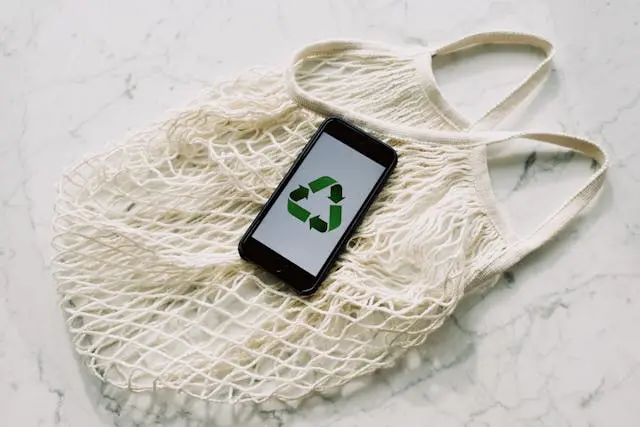
- Practice recycling diligently with clear labeling
- Choose products with minimal packaging and bring reusable bags shopping
- Encourage your child to participate in waste reduction activities to build awareness
Teaching Kids About Nature and Conservation
Kids learn best by experience and curiosity. You can:
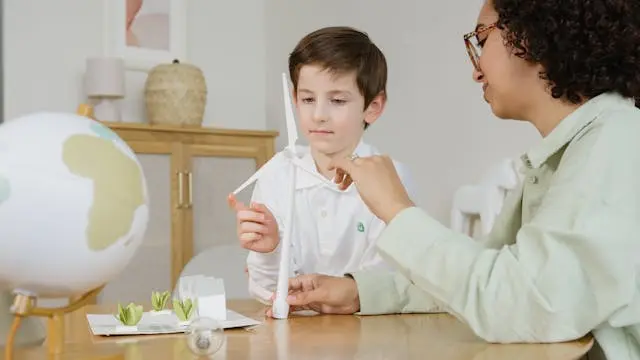
- Organize regular outdoor adventures like gardening, hiking, or birdwatching
- Read books or watch documentaries about animals, plants, and ecosystems
- Engage in community clean-up events or tree-planting activities
Eco-Friendly Mealtime Habits
Meals offer a perfect opportunity to reduce environmental impact:
- Use reusable containers and cloth napkins instead of disposable ones
- Plan meals to minimize food waste and compost leftovers
- Introduce more plant-based dishes to reduce carbon footprint
- Grow simple herbs or vegetables at home for fresh ingredients
Energy and Water Conservation at Home
Involving your child in conserving resources builds lifelong habits:
- Turn off lights when leaving a room
- Limit water usage during baths and brushing teeth
- Use energy-efficient appliances and light bulbs
Challenges and How to Overcome Them in Sustainable Parenting
It’s natural to face obstacles when shifting to a more eco-conscious lifestyle, but they’re manageable with patience and planning.
- Cost Concerns: Prioritize durable, multi-use items over single-use products. Seek second-hand and community swaps.
- Convenience: Start small — gradually replace products and habits rather than all at once.
- Peer Pressure: Teach your child to value their choices and be proud of their green habits.
Creating a Sustainable Parenting Routine: Tips for Long-Term Success
To keep your family on track:
- Set achievable sustainability goals as a family
- Celebrate milestones like reducing waste or completing a garden project
- Connect with other eco-conscious families or groups for support
Frequently Asked Questions about Sustainable Parenting
What is sustainable parenting and why is it important?
Sustainable parenting involves raising children with eco-friendly habits that protect the environment and promote well-being. It’s crucial to ensure a livable planet for future generations.
How can I start practicing eco-friendly parenting with a newborn?
Begin with choosing organic or reusable diapers, natural skincare, and avoiding plastic whenever possible.
Are sustainable parenting choices expensive?
Not necessarily. Many sustainable habits save money over time, like reusing items and reducing energy bills.
How do I teach my kids about sustainability without overwhelming them?
Make learning fun through hands-on activities, storytelling, and leading by example.
Conclusion
Your journey toward sustainable parenting is an empowering one. By incorporating simple, eco-friendly habits into your daily life, you create a healthier environment for your child and set a foundation for a lifelong commitment to the planet. Start today with one small change—whether it’s switching to reusable diapers or planting a seed together—and watch the positive impact grow.
Together, you and your family can nurture green kids who will cherish and protect the Earth for generations to come.
Ready to take the next step? Share your favorite sustainable parenting tip in the comments below and connect with a community that’s making a difference one family at a time!