Educational Toys: How Learning Through Play Shapes a Child’s Development
Educational Toys: How Learning Through Play Shapes a Child’s Development
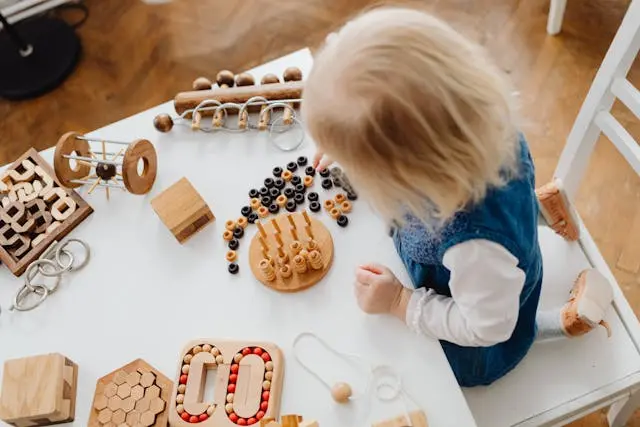
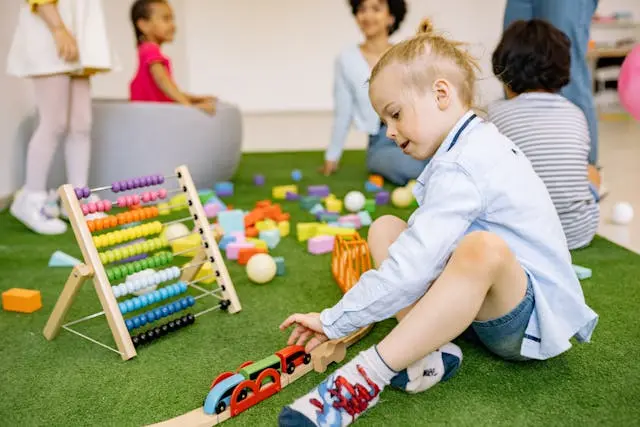
Thank you for reading this post, don't forget to subscribe!Educational toys have become an essential part of modern parenting. Unlike traditional toys that focus mainly on entertainment, educational toys are designed to stimulate learning, creativity, and problem-solving skills. When chosen thoughtfully, these toys support a child’s cognitive, emotional, and physical development while keeping playtime enjoyable.
Parents often wonder whether educational toys truly make a difference or if children learn just as well through free play. Research and child development experts agree that the right toys, introduced at the right age, can significantly enhance learning while still allowing children to explore naturally.
Table of Contents
What Are Educational Toys?
Educational toys are play items specifically designed to encourage learning and skill development. They support areas such as language, math, motor skills, creativity, logical thinking, and social interaction.
These toys are not meant to replace traditional play but to complement it. The best educational toys feel like fun first and learning second, allowing children to engage without pressure.
Why Educational Toys Matter in Childhood
Children learn best through play. Play allows them to experiment, make mistakes, and discover solutions on their own. Educational toys provide structured opportunities for learning while preserving curiosity and enjoyment.
Studies in early childhood education show that play-based learning strengthens memory, improves focus, and supports emotional regulation. Toys that encourage interaction also help children develop communication and cooperation skills.
Key Statistics About Learning Through Play
| Area | Finding | Impact |
|---|---|---|
| Early Learning | 90% of brain growth happens before age 5 | Toys influence critical development stages |
| Problem Solving | Play-based learning improves skills by 30% | Supports long-term academic success |
| Social Skills | Interactive toys boost cooperation | Improves communication and empathy |
Types of Educational Toys and Their Benefits
1. Cognitive Development Toys
These toys focus on thinking, memory, and problem-solving. Examples include puzzles, matching games, and logic boards. They help children recognize patterns, improve concentration, and develop reasoning skills.
2. Language and Communication Toys
Books, alphabet blocks, talking toys, and storytelling games support language development. They help children expand vocabulary, understand sentence structure, and improve listening skills.
3. Motor Skills Toys
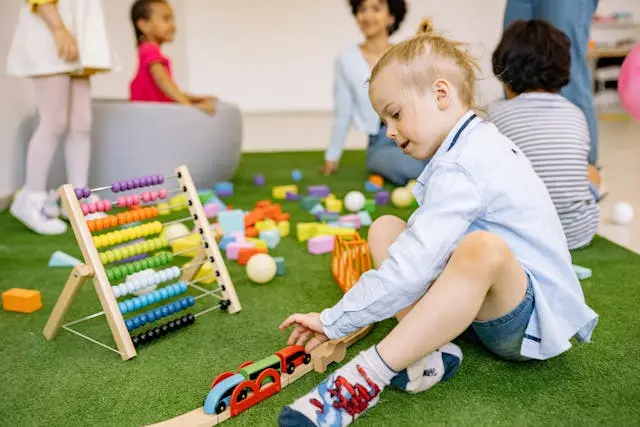
Motor skill toys strengthen both fine and gross motor development. Building blocks, shape sorters, and drawing tools enhance hand-eye coordination, while ride-on toys and balls improve balance and movement.
4. Creative and Imaginative Toys
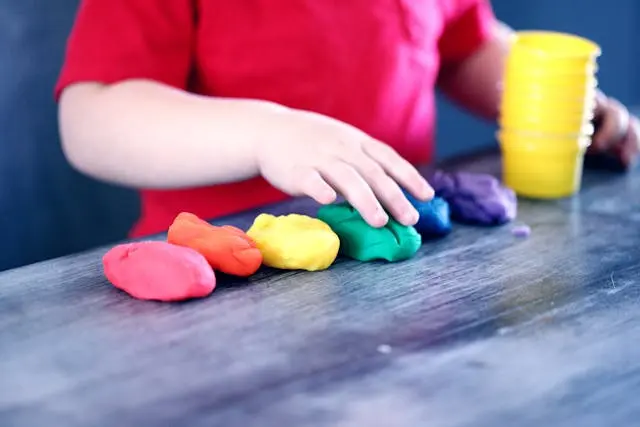
Art supplies, musical instruments, and pretend-play sets encourage creativity and self-expression. These toys help children explore emotions, develop confidence, and practice storytelling.
5. STEM Toys
STEM toys focus on science, technology, engineering, and mathematics. They introduce concepts like cause and effect, coding basics, and problem-solving in a playful way.
Educational Toys by Age Group
Educational Toys for Babies (0–12 Months)
At this stage, babies learn through their senses. Toys with different textures, sounds, and colors help stimulate sensory development and curiosity.
- Soft sensory toys
- Rattles and musical toys
- High-contrast visual toys
Educational Toys for Toddlers (1–3 Years)
Toddlers are developing mobility and basic language skills. Toys that encourage exploration and simple problem-solving are ideal.
- Shape sorters
- Stacking blocks
- Push-and-pull toys
Educational Toys for Preschoolers (3–5 Years)
Preschoolers benefit from toys that promote imagination, early math, and language skills.
- Puzzles
- Alphabet and number games
- Pretend play sets
Educational Toys for School-Age Children
Older children enjoy toys that challenge their thinking and creativity. Strategy games, science kits, and building sets are especially effective.
How to Choose the Right Educational Toys
Not all toys labeled “educational” offer real learning value. Parents should look beyond marketing and consider how a toy supports development.
Key Factors to Consider
- Age appropriateness
- Safety and durability
- Open-ended play possibilities
- Skill development value
Toys that grow with a child and allow multiple ways to play offer the greatest long-term benefits.
The Role of Parents in Learning Through Toys
Educational toys are most effective when parents actively engage with their children. Playing together strengthens emotional bonds and enhances learning.
Simple actions such as asking questions, encouraging creativity, and allowing children to lead play make a significant difference.
Common Mistakes Parents Make with Educational Toys
- Buying toys that are too advanced
- Overloading children with too many toys
- Relying on electronic toys alone
Quality matters more than quantity. A few well-chosen toys can provide more learning value than an entire room filled with distractions.

Screen-Based Learning Toys: Pros and Cons
Digital and screen-based toys can offer educational value, but moderation is essential. Interactive learning apps can support skills, while excessive screen use may reduce creativity and physical activity.
Educational Toys and Social Development
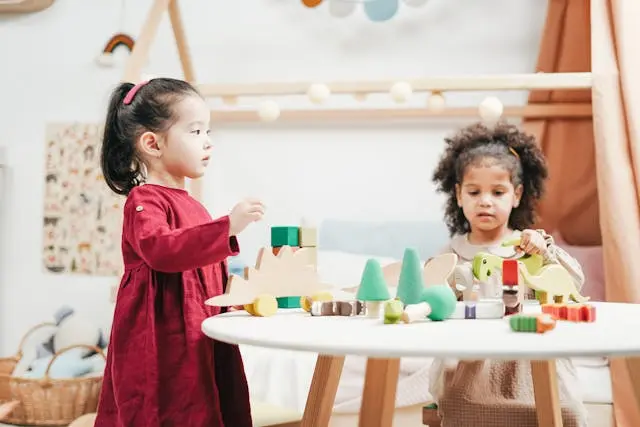
Group play with educational toys teaches sharing, cooperation, and communication. Board games and collaborative building sets are excellent tools for social learning.
Frequently Asked Questions About Educational Toys
Are educational toys necessary for learning?
Educational toys are helpful tools, but they work best when combined with free play, social interaction, and real-life experiences.
How many educational toys does a child need?
A small selection of versatile toys is usually more effective than having too many options.
Do expensive toys offer better learning value?
Not necessarily. Simple, well-designed toys often provide greater educational benefits than expensive electronic options.
Final Thoughts
Educational toys play a powerful role in supporting children’s learning and development. When chosen thoughtfully and used with intention, they help children build essential skills while enjoying the natural joy of play.
By focusing on age-appropriate, open-ended toys and actively participating in playtime, parents can turn everyday moments into meaningful learning experiences that last a lifetime.