
How to Use Puzzles to Boost Brain Power
How to Use Puzzles to Boost Brain Power
Puzzles have long been more than just a pastime. They are powerful tools for enhancing mental agility, improving concentration, and stimulating both sides of the brain. Whether you are a parent seeking cognitive activities for your child or an adult looking to sharpen your thinking skills, understanding how to use puzzles to boost brain power can unlock remarkable mental benefits.
Thank you for reading this post, don't forget to subscribe!From simple jigsaw puzzles to complex logic problems, each type of puzzle engages different areas of the brain, strengthening neural connections and promoting long-term cognitive health. In this comprehensive guide, you will discover how puzzles improve mental performance, the science behind their benefits, and practical ways to incorporate them into your daily routine.
Table of Contents
1. The Science Behind Puzzles and Brain Function
Puzzles stimulate the brain by encouraging it to analyze, reason, and visualize. Neuroscientists have found that engaging with puzzles enhances connections between brain cells, which improves memory, reasoning, and problem-solving skills. Regular puzzle-solving also stimulates the production of dopamine — a neurotransmitter responsible for motivation and pleasure.
How Puzzles Affect the Brain:
- Improved memory: Visual and pattern recognition strengthens the hippocampus, the brain’s memory center.
- Enhanced focus: Concentrating on puzzle-solving increases attention span.
- Stronger problem-solving ability: Puzzles teach logical reasoning and strategic thinking.
- Mental flexibility: Tackling new challenges helps the brain adapt and think creatively.
2. Types of Puzzles That Enhance Brain Power
Different puzzles train different cognitive abilities. Mixing several types in your routine ensures comprehensive brain stimulation.
Common Brain-Boosting Puzzles Include:
- Jigsaw Puzzles: Improve visual-spatial reasoning and short-term memory.
- Crossword Puzzles: Strengthen vocabulary, language comprehension, and recall.
- Sudoku: Develops logical thinking and pattern recognition.
- Logic Puzzles: Encourage critical analysis and deductive reasoning.
- 3D Puzzles: Stimulate spatial awareness and creativity.
- Word Searches: Enhance scanning ability and visual attention.
- Brain Teasers: Improve mental agility and creative thinking.
3. Why Puzzles Are Especially Beneficial for Kids
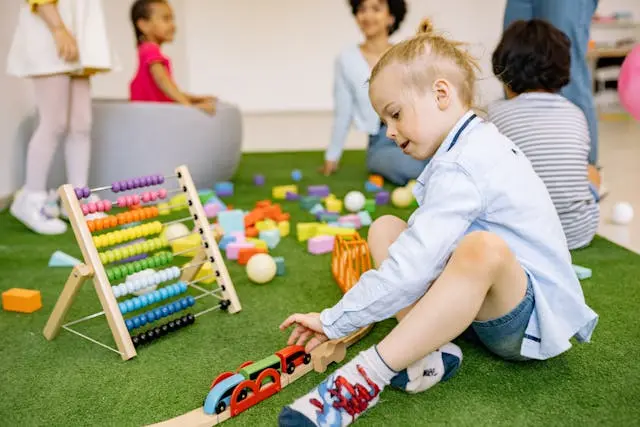
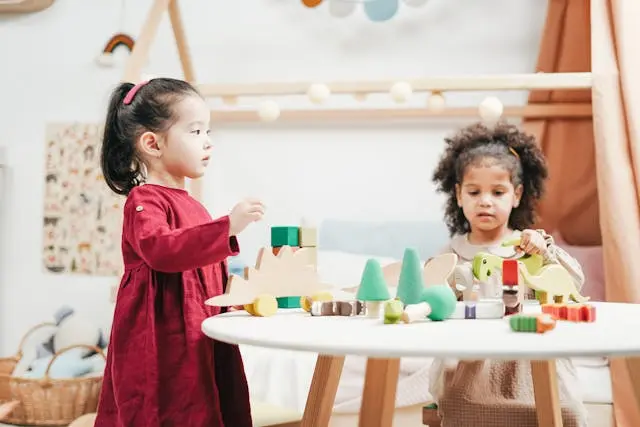
Children’s brains are constantly developing, and puzzles play an essential role in stimulating that growth. Solving puzzles strengthens fine motor skills, enhances hand-eye coordination, and fosters problem-solving confidence. They also teach patience and persistence — valuable traits for lifelong learning.

Key Benefits for Children:
- Cognitive Development: Shapes reasoning and memory retention.
- Emotional Growth: Builds perseverance and resilience when faced with challenges.
- Social Skills: Encourages teamwork when puzzles are solved in groups.
According to research from the National Institutes of Health, children who engage in regular puzzle play perform better in tasks involving spatial reasoning and visual memory.
4. How Puzzles Boost Brain Power in Adults
While children benefit from puzzles during development, adults use them to preserve cognitive sharpness and delay mental decline. Studies suggest that puzzle-solving stimulates the prefrontal cortex and parietal lobes — areas responsible for decision-making and spatial reasoning. Engaging in challenging puzzles can even reduce the risk of Alzheimer’s and dementia.
Notable Benefits for Adults:
- Improved problem-solving and analytical skills
- Increased productivity through better concentration
- Reduced stress through mindful engagement
- Stronger memory retention over time
5. How to Incorporate Puzzles into Daily Life
Using puzzles regularly doesn’t mean dedicating hours each day. Instead, short, consistent practice yields significant results. Here’s how you can integrate them into your routine:
- Start your morning with a crossword or Sudoku puzzle to activate your brain.
- Encourage family puzzle nights with jigsaws or logic games.
- Use mobile apps like Lumosity or Elevate for quick daily challenges.
- Carry pocket-sized puzzle books for idle moments, like commuting or waiting in line.
6. Using Puzzles as Learning Tools
Puzzles are incredibly versatile in education. Teachers and parents can use them to teach language, math, science, and even social studies. For instance, geography puzzles enhance map-reading skills, while math-based puzzles strengthen logic and computation.
Effective Educational Uses:
- Alphabet puzzles for early literacy
- Math logic puzzles for number fluency
- Science-themed jigsaws to learn about anatomy or astronomy
7. Digital Puzzles and Apps
In the digital age, puzzles have evolved into interactive platforms that adapt to your skill level. Online puzzle games challenge memory, focus, and processing speed. They can also track your progress, making them ideal for consistent mental training.
Popular puzzle platforms include:
8. The Role of Puzzles in Stress Management
Puzzles create a calm, focused state similar to meditation. The concentration required redirects the mind from stressors, promoting mindfulness. Completing a puzzle releases dopamine, which boosts mood and motivation, creating a positive feedback loop.
9. Puzzles and Social Connection
Working on puzzles with friends or family promotes teamwork and communication. It’s an opportunity to connect meaningfully while exercising mental agility. Family puzzle nights or community puzzle clubs encourage bonding while reinforcing problem-solving skills.
10. Creating a Puzzle Routine for Maximum Benefit
Consistency is key to reaping cognitive rewards. You can design a personalized routine that fits your schedule:
| Day | Type of Puzzle | Focus Area |
|---|---|---|
| Monday | Crossword | Language and memory |
| Tuesday | Sudoku | Logic and numbers |
| Wednesday | Jigsaw | Spatial reasoning |
| Thursday | Word Search | Attention and scanning |
| Friday | Logic Puzzle | Critical thinking |
| Saturday | 3D Puzzle or Lego | Creativity |
| Sunday | Family Puzzle Night | Collaboration |
11. How to Choose the Right Puzzle for You
Pick puzzles that challenge but don’t frustrate you. Gradually increase difficulty as your skills improve. For kids, start with large-piece puzzles, and for adults, try 1000-piece or timed logic puzzles for greater engagement.
12. Cognitive Benefits Backed by Science
Multiple studies confirm that consistent puzzle-solving improves mental speed and working memory. One study by the Alzheimer’s Association found that individuals who engaged in mentally stimulating activities like puzzles reduced cognitive decline risk by up to 47%.
13. Combining Puzzles with Other Brain-Boosting Habits
For best results, pair puzzle-solving with a brain-healthy lifestyle:
- Eat omega-3-rich foods (fish, nuts, seeds)
- Exercise regularly to improve blood flow to the brain
- Sleep 7–8 hours per night
- Stay socially connected and curious
14. The Power of Puzzle Challenges for Families
Setting weekly family puzzle challenges strengthens both brain and emotional bonds. Encourage friendly competition and celebrate completion milestones. It teaches collaboration and boosts confidence in problem-solving.
Conclusion: Train Your Brain, One Puzzle at a Time
Using puzzles to boost brain power is one of the most enjoyable ways to stay mentally sharp. They promote problem-solving, creativity, memory, and focus — all while offering relaxation and fun. Whether you’re assembling a jigsaw with your child or solving a crossword over coffee, every puzzle completed builds stronger neural connections and mental resilience.
Start today: Pick your favorite puzzle type and commit to just 10 minutes a day. Over time, you’ll notice sharper focus, better memory, and a happier, more engaged mind.
Frequently Asked Questions (FAQ)
1. How do puzzles help the brain?
Puzzles enhance cognitive skills by stimulating memory, logic, and visual processing. They strengthen neural connections and improve concentration.
2. Are puzzles good for kids’ development?
Yes! Puzzles build fine motor skills, spatial reasoning, and problem-solving confidence in children.
3. How often should I do puzzles to see benefits?
Just 15–30 minutes daily can improve cognitive performance and memory retention over time.
4. What type of puzzles are best for brain health?
Jigsaw, Sudoku, crosswords, and logic puzzles all stimulate different mental faculties, so using a mix is ideal.
5. Can puzzles prevent memory loss?
They can delay cognitive decline and improve mental flexibility, helping maintain memory as you age.