How to Teach Kids About Recycling | ParentingAssist
How to Teach Kids About Recycling: A Complete Parent’s Guide
Thank you for reading this post, don't forget to subscribe!Teaching your kids about recycling is one of the best gifts you can give them and the planet. By making recycling part of your child’s everyday life, you’re not just reducing waste—you’re raising an eco-conscious generation. In this guide, you’ll find practical, engaging, and fun ways to make recycling a family habit. Whether you’re a first-time parent or a seasoned pro, these strategies will help you empower your children to become environmental champions for life.
Table of Contents
Why Teaching Kids About Recycling Matters
Before you dive into the “how,” it’s important to understand why recycling education is crucial for kids. Early exposure to sustainability concepts lays the foundation for eco-friendly habits in adulthood. Here’s why it’s essential:
- Environmental Impact: Kids learn how recycling reduces waste, conserves natural resources, and cuts down on pollution.
- Life Skills: Teaching kids responsibility, critical thinking, and empathy for the environment builds character.
- Community Awareness: Understanding recycling helps children become informed and active citizens.
How to Teach Kids About Recycling at Home
Recycling starts in your own home. Here’s how you can create a space that inspires learning and participation:
- Designate Recycling Zones: Set up clearly labeled bins in the kitchen, bathroom, and playroom.
- Color-Coded System: Use vibrant colors for bins to make sorting easy for younger kids.
- Make It Fun: Turn recycling into a game with rewards for consistent efforts.
- Lead by Example: Kids copy what they see—show your own commitment to recycling.
Teaching Kids About Different Materials
One way to spark curiosity is by explaining the life cycle of common materials. Here’s a simple comparison:
| Material | Recyclable? | Interesting Fact |
|---|---|---|
| Plastic | Yes, but varies by type | Takes hundreds of years to decompose; recycling reduces plastic pollution. |
| Glass | Yes | Can be recycled indefinitely without loss of quality. |
| Paper | Yes | Recycling paper saves millions of trees each year. |
| Metal | Yes | Aluminum cans can be recycled and back on shelves within 60 days. |
Hands-On Recycling Activities for Kids
Learning becomes more effective when kids get involved. Try these activities:
- Sorting Challenges: Give kids a basket of mixed recyclables and time them as they sort items.
- DIY Craft Projects: Create art, toys, or organizers from recycled materials.
- Recycling Field Trips: Visit a local recycling center to show them real-world operations.
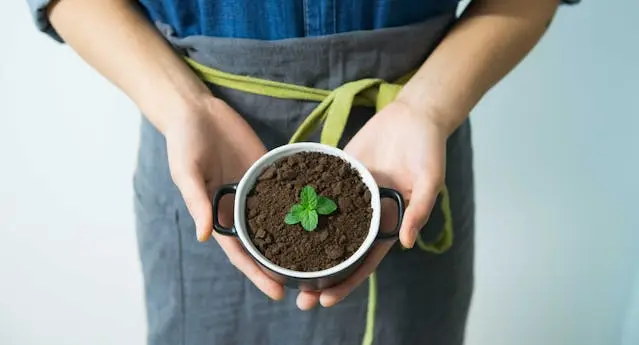
- Gardening with Compost: Teach kids how to compost food scraps to create nutrient-rich soil.

Recycling Beyond the Home
Show your kids how recycling connects to the wider world:
- Encourage them to bring reusable lunch containers to school.
- Join community recycling drives as a family.
- Teach kids to donate unused toys and clothes rather than throw them away.
For inspiration, read our guide on Eco-Friendly Baby Products Every Parent Should Try to explore more eco-conscious choices.
Tech Tools for Teaching Kids About Recycling
Use modern tools to make recycling education engaging:
- Apps: Download child-friendly recycling apps that use games to reinforce lessons.
- Videos: Show animated videos on environmental conservation.
- Online Resources: Explore interactive websites and printable activities.
Check out Managing Screen Time for Kids to balance educational tech use.
Making Recycling a Family Lifestyle
Consistency is key. Here’s how to integrate recycling into daily routines:
- Start with one habit at a time to avoid overwhelming kids.
- Create a reward system to encourage participation.
- Celebrate milestones (e.g., one month of successful sorting).
FAQ: How to Teach Kids About Recycling
At what age can kids start learning about recycling?
Children as young as two can learn basic sorting through games and colors. By preschool, they can understand simple recycling rules.
What’s the easiest way to explain recycling to kids?
Use stories and visuals. Tell them recycling gives “old things” a new life and saves animals and nature.
How can I make recycling exciting for my child?
Turn it into a challenge, introduce crafts, and celebrate their efforts with praise and small rewards.
How do I involve schools in recycling education?
Talk to teachers about adding recycling activities, posters, and lessons to the school program.
Conclusion
By teaching your child about recycling, you’re shaping a greener future. Kids are naturally curious and eager to learn, and your guidance can help them develop lifelong eco-friendly habits. Start small, stay consistent, and celebrate every step forward. Together, we can create a cleaner, healthier world for our children.
Ready to start your eco-parenting journey? Explore our full library of Eco Parenting resources for more tips on raising environmentally conscious kids!