The Importance of Family Traditions
The Importance of Family Traditions
Thank you for reading this post, don't forget to subscribe!In a world that seems to move faster every year, family traditions act like anchors. They ground us, give us a sense of continuity, and remind us who we are and where we come from. Whether it is a shared meal every Friday night, a special way of celebrating birthdays, or a simple bedtime routine, these repeated moments quietly shape our values, our relationships, and even our mental health.
This article explores why family traditions matter so much, how they benefit both children and adults, and how you can create meaningful rituals in your own home. By the end, you will see that traditions are not just “nice extras” but powerful tools for building strong, resilient families.
Table of Contents
What Are Family Traditions?
Family traditions are repeated activities, rituals, or customs that a family chooses to practice together. They can be big or small, formal or very simple. The key is that they are meaningful, consistent, and shared across family members. Over time, they become part of the family’s identity.
Some traditions are tied to culture and religion, such as celebrating religious holidays, observing fasting periods, or gathering for special ceremonies. Others are more personal and unique to each family: a particular recipe passed down through generations, annual trips, weekend routines, or even a certain phrase everyone uses at the dinner table.
Why Family Traditions Matter
At first glance, traditions might look like simple habits. But in reality, they do something much deeper. They create a sense of belonging, stability, and meaning. When family members know that certain things will happen again and again, they feel connected to something bigger than the present moment.
Traditions are especially important in times of change or stress. When life feels unpredictable, returning to familiar rituals—like a holiday meal or a weekly family activity—offers comfort and reassurance. These rituals send a subtle message: “No matter what happens out there, we still have this. We still have each other.”
Building a Sense of Identity and Belonging
One of the most powerful impacts of family traditions is the way they shape a sense of identity. They answer questions like: “Who are we as a family? What do we value? Where do we come from?” For children, this is especially important. Knowing that their family does certain things in a special way makes them feel part of a story that started before them and will continue after them.
Simple things like telling family stories every holiday, sharing memories of grandparents, or visiting the same place every summer can help children understand their roots. They learn that they belong to a line of people with shared experiences, values, and memories. This sense of belonging becomes a protective factor as they grow, giving them confidence when they face challenges outside the home.
Emotional Security and Stability for Children
Children thrive on structure and predictability. Knowing that there will be a bedtime story every night, a family breakfast on Saturdays, or a regular way of celebrating achievements gives them a sense of emotional security. They know what to expect, and that stability helps reduce anxiety and stress.
Traditions become emotional “safe zones” where children feel accepted and loved. Even if they had a difficult day at school or a conflict with a friend, coming back to familiar rituals reminds them that their home is a stable, supportive place. Over time, this consistency strengthens their emotional resilience and helps them manage their feelings in healthier ways.

Strengthening Family Bonds
In many families, people live under the same roof but lead separate lives. Parents are busy with work, children are busy with school and activities, and everyone gets used to being “connected” only through screens. Family traditions create intentional moments of togetherness that cut through the busyness.
Whether it is a weekly game night, a Sunday walk, or a monthly family meeting, these repeated activities become opportunities for real connection. People talk, laugh, share stories, and listen to one another. Over time, these shared experiences build trust and closeness. They make it easier to support one another during difficult seasons, because the emotional bond is already strong.
Passing on Values and Culture
Family traditions are one of the most effective ways to pass values from one generation to the next. A child might forget a lecture about kindness, but they will remember volunteering together every year, preparing food for neighbors, or visiting relatives in need. The tradition itself becomes a living lesson.
Cultural and religious traditions are especially powerful in this regard. They connect younger family members to their heritage—language, food, clothing, stories, and spiritual practices. Through these rituals, children learn what their family believes in and stands for. They start to understand that their actions are part of a larger moral and cultural framework.
Supporting Child Development
Family traditions do more than create warm memories; they actively support healthy child development. For example, regular family meals are linked to better communication skills, stronger vocabulary, and higher academic performance. Bedtime routines help children develop better sleep habits and emotional regulation.
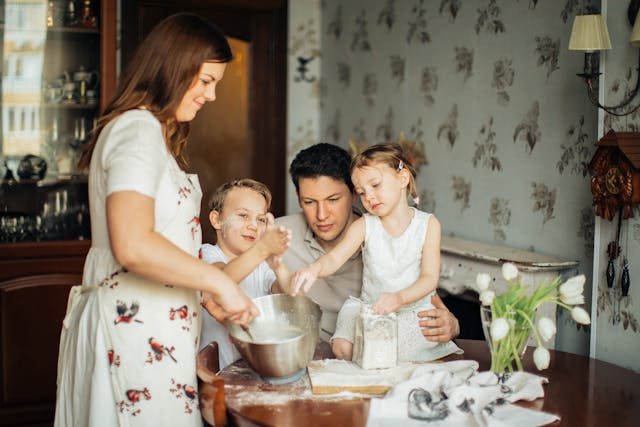
Many traditions also teach important life skills. Cooking together can improve math and reading skills as children measure ingredients and follow recipes. Gardening as a family teaches patience, responsibility, and care for the environment. Even simple rituals like sharing “the best and worst part of your day” at dinner can build emotional intelligence, empathy, and self-expression.
Reducing Stress and Building Resilience
Traditions can also act as a buffer against stress. When life feels overwhelming—because of exams, work deadlines, financial pressure, or illness—returning to familiar family rituals can be calming. The predictability of these moments helps lower tension and reminds family members that they are not facing challenges alone.
Over time, families that maintain regular traditions often develop stronger resilience. They have a shared sense of “we can get through this together” because they have a history of shared experiences, both joyful and difficult. These rituals become a quiet source of strength during uncertain times.
Types of Family Traditions
Family traditions can take many forms. Some are daily, some weekly, and others occur just once or twice a year. What matters is not how big or impressive they are, but how meaningful and consistent they remain over time.
Here are some of the most common types of family traditions:
- Daily routines: bedtime stories, shared meals, morning greetings, or prayers.
- Weekly rituals: a weekly movie night, game night, or family outing.
- Seasonal and annual traditions: holiday celebrations, new year rituals, special birthday customs, or annual trips.
- Life milestones: unique ways of celebrating graduations, new jobs, new homes, or other big events.
- Service traditions: volunteering, donating, or helping others together at specific times of the year.
Examples of Meaningful Family Traditions
Sometimes, families think they need something grand or expensive to create a tradition. In reality, many of the richest rituals are simple, low-cost, and easy to repeat. The meaning comes from the consistency and the emotional connection they create.
Here are a few examples of traditions that many families find powerful:
- Having a special meal every week, such as “Sunday lunch” where everyone is expected to be present.
- Creating a birthday ritual, such as sharing three things you love about the person before cutting the cake.
- Holding a weekly “check-in” where each family member talks about their week and how they are feeling.
- Taking a family photo in the same place every year and watching the changes over time.
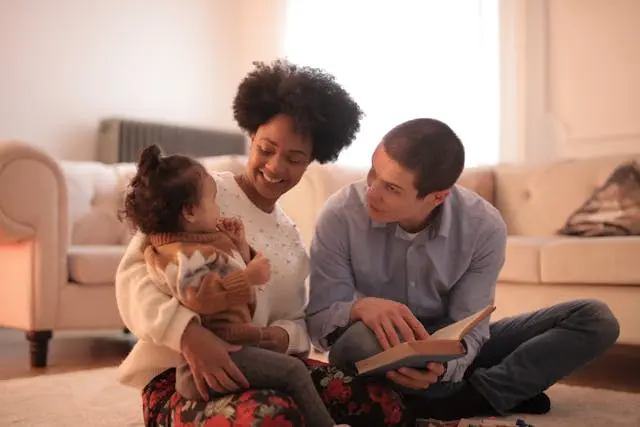
- Reading the same book series together, chapter by chapter, each winter evening.
- Practicing gratitude by saying one thing each person is thankful for before a meal.
Family Traditions in a Digital Age
Modern technology has changed the way families live, work, and communicate. While devices can sometimes get in the way of quality time, they can also be used creatively to support traditions. For example, families who live far apart can still maintain rituals through video calls, group chats, and shared online activities.
At the same time, many families find it helpful to create “tech-free traditions” as well. These can include device-free dinners, screen-free evenings once a week, or unplugged family trips. Setting aside time with no digital distractions makes it easier to listen, laugh, and truly be present with one another.
Creating New Traditions for Your Family
You do not have to come from a long line of elaborate customs to start meaningful traditions. You can begin exactly where you are, with the people you have and the resources available to you. What matters most is your intention: to create moments of connection, love, and shared meaning.
When creating new traditions, consider the following questions:
- What values do you want your family to remember and live by? (Kindness, gratitude, faith, perseverance, curiosity, etc.)
- What activities do you already enjoy doing together that could become regular rituals?
- What simple, realistic routines could you commit to weekly or monthly, given your schedule and energy?
Start small. Choose one or two ideas, practice them consistently, and allow them to grow and evolve with time. If a tradition stops serving your family, you can adapt it or replace it with something that fits your current season of life better.
Making Traditions Inclusive and Flexible
Every family is different. Some are large and multigenerational, others are small or spread out across different cities or countries. Some families include step-parents, adopted children, or close friends who are “family by choice.” Traditions should reflect and include everyone who is part of your family story.
Be open to adapting rituals so that they feel welcoming to all members. For example, you might adjust holiday menus for people with dietary needs, schedule events at times that work for different shifts, or create new customs that honor the diverse backgrounds within your family. The goal is not rigid perfection, but connection and belonging.
Overcoming Challenges in Maintaining Traditions
Even when families love their traditions, it is not always easy to keep them going. Busy schedules, conflicting commitments, and life changes can get in the way. There may be seasons when not everyone can attend every event or when energy is low and people feel tired.
Instead of giving up entirely, focus on staying flexible and realistic. It is better to keep a tradition in a simpler form than to abandon it because it cannot be done perfectly. You might shorten an event, move it online, or reduce how often it takes place. What matters most is that the core meaning of the tradition remains alive.
How Family Traditions Improve Well-Being
Beyond emotional connection and identity, family traditions also contribute to overall well-being. Families who maintain positive rituals often report higher satisfaction with relationships, stronger communication, and greater feelings of support. These factors, in turn, are linked to better mental and physical health outcomes.
For children and teenagers, having predictable, caring routines has been associated with higher self-esteem, better coping skills, and lower levels of anxiety and behavioral problems. For adults, traditions provide a sense of continuity as they navigate career changes, aging, and other life transitions. In short, rituals help people feel more stable in a changing world.
Practical Tips for Strengthening Family Traditions
If you want to strengthen or revive traditions in your family, here are some practical steps you can take:
- Start with what you already do: Identify routines that your family enjoys and make them more intentional and consistent.
- Involve everyone: Ask each family member what kind of tradition they would like to have and what matters most to them.
- Write them down: Create a simple “family traditions list” and review it together at the beginning of each month or season.
- Protect the time: Treat key traditions like important appointments. Add them to the calendar and plan around them when possible.
- Be patient: Traditions become meaningful over time. Give them a chance to grow rather than expecting instant magic.
With small, consistent effort, your home can become a place where rituals are not just activities, but expressions of love and commitment.
Conclusion: The Quiet Power of Family Traditions
Family traditions may look simple from the outside, but their impact runs deep. They help us remember who we are, strengthen the bonds between generations, and offer emotional safety in a world that often feels uncertain. For children, they are a foundation of identity and security. For adults, they are a source of meaning, continuity, and joy.
You do not need perfect circumstances or grand gestures to build powerful traditions. You only need intention, consistency, and a willingness to show up for one another. Over the years, these repeated moments will become the stories your family tells, the memories your children cherish, and the quiet proof that, in your home, love was not just spoken—it was lived.