
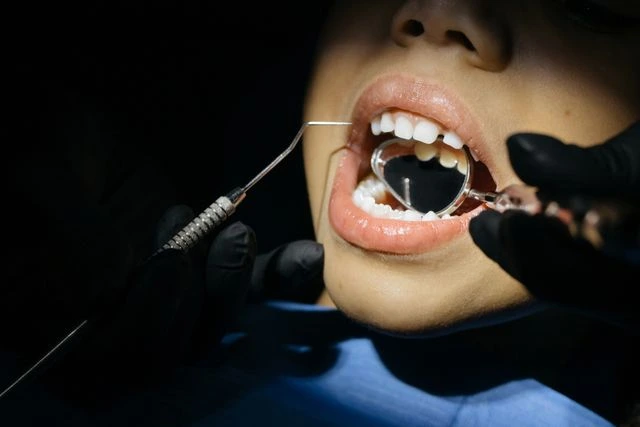
Your Child’s Dental Health: What Most Parents Get Wrong and Why It Matters More Than They Think
A child I worked with — eight years old, bright, socially engaged — had been missing school with some regularity. The pattern was not immediately obvious. Not one specific problem. Just frequent absences, each with a different stated cause. A headache. A stomach ache. Not feeling well.
When I eventually learned what was actually happening, it was not what I had been looking for. The child had significant dental decay in several baby teeth and one adult molar that had already erupted. The pain was intermittent and variable — sometimes bad enough to make sleep difficult, sometimes manageable. But it was present most of the time at a low level, producing exactly the kind of diffuse, hard-to-name physical discomfort that makes a child not want to go to school without being able to articulate why.
Dental health in children is one of the most consistently underestimated dimensions of child health in most parenting conversations. It is simultaneously one of the most common health conditions in childhood — tooth decay is the most prevalent chronic disease in children worldwide, affecting more children than asthma or diabetes — and one of the most preventable. The gap between those two facts is almost entirely explained by misunderstanding: misunderstanding of what causes decay, of what prevents it, of when dental care should begin, and of why it matters for the child’s overall health and wellbeing rather than just their smile.
This article is about closing that gap.
Table of Contents
Why Baby Teeth Matter More Than Most Parents Assume
The single most damaging misconception in early childhood dental health is the idea that baby teeth do not matter much because they are going to fall out anyway. This misconception is extremely common and extremely consequential.
Baby teeth matter for several distinct and significant reasons. They hold space for the adult teeth that will follow — when a baby tooth is lost prematurely due to decay or extraction, the surrounding teeth shift into the space, potentially causing crowding and misalignment that is significantly more costly and complicated to treat in adolescence than it would have been to prevent. They support the development of speech — children who lose front teeth early often develop speech patterns that are difficult to correct. They enable normal chewing — a child who cannot chew without pain has a compromised diet that affects nutrition and growth. And they affect the social and emotional development of a child who is self-conscious about their teeth, who is in pain at school, or who has been through the significant distress of dental treatment under general anaesthesia because their dental disease was allowed to progress.
Dental decay in baby teeth can also affect the developing adult teeth underneath. Significant infection from an abscessed baby tooth can damage the adult tooth bud growing below it, affecting the adult tooth’s structure before it has even erupted. “They’re just baby teeth” is a genuinely harmful misconception that costs children real developmental and health consequences.
What Actually Causes Decay — and Why Sugar Is Not the Whole Story
Tooth decay is caused by acid produced by bacteria in the mouth acting on the tooth surface. The bacteria use sugar as fuel and produce acid as a metabolic byproduct. The acid dissolves the mineral structure of the tooth enamel, and if the process continues, a cavity forms.
The specific bacteria most responsible for tooth decay — primarily Streptococcus mutans — are not present in babies at birth. They are transmitted from other people, most commonly from parents and caregivers, through shared saliva. The parent who tastes the baby’s food to check the temperature, who shares a spoon, who lets the baby put their fingers in the parent’s mouth — these actions transfer decay-causing bacteria to the baby’s mouth before any teeth have erupted. Once present, these bacteria colonise the mouth and remain for life.
This does not mean parents should avoid any contact between their saliva and their baby’s mouth. But it does mean that the bacteria responsible for tooth decay are transmitted from caregivers in early infancy, which is why early prevention — including the parent’s own dental health — matters more than most guidance acknowledges.
The frequency of sugar exposure matters as much as the quantity. A child who has one sweet treat per day has different decay risk from a child who sips a sugary drink throughout the day. Each time sugar is consumed, the bacteria produce acid for approximately thirty to forty minutes before the mouth returns to a neutral pH. Multiple sugar exposures throughout the day mean the teeth are under acid attack for much of the day, with insufficient time for remineralisation (the natural process by which saliva restores minerals to tooth enamel) to occur.
This is why a bottle of milk or juice given to a baby to sip on through the night is one of the most significant risk factors for early childhood caries — the pattern of severe decay in young children that results from prolonged contact of sugar-containing liquid with the teeth throughout the night, when saliva flow (which provides natural protection) is lowest.
When Dental Care Actually Starts
Dental care for children does not begin when teeth appear. It begins before teeth appear, and the decisions made in the first months of life have lasting effects on dental health.
Before teeth erupt: cleaning the gums with a clean damp cloth after feeds removes milk residue and reduces bacterial buildup. This is also the beginning of the habit of oral hygiene that will eventually become toothbrushing — the child who has had their mouth gently cleaned since infancy is more accustomed to the sensation and more cooperative with the process when teeth arrive.
When the first tooth erupts — which can happen as early as four to six months — toothbrushing should begin. Not with a full-sized adult toothbrush and a large amount of toothpaste. With a small, soft toothbrush (or a finger brush at first) and a tiny amount of fluoride toothpaste — the amount the World Dental Federation and most national dental health authorities recommend for children under three is a smear, roughly the size of a grain of rice.
Fluoride toothpaste is worth specifically mentioning because it remains a source of parental confusion. Fluoride is the single most evidence-supported preventive intervention in dental health, acting to strengthen tooth enamel and inhibit the bacterial metabolism that produces acid. The concern that fluoride is harmful to children, which circulates widely in some parenting communities, is not supported by the evidence for the concentrations found in dental products and drinking water. Children’s toothpaste contains lower fluoride concentrations than adult toothpaste specifically because children swallow some toothpaste, and the small amounts involved at these concentrations are safe while providing genuine protection.
The first dental visit should happen when the first tooth erupts, or by the child’s first birthday — whichever comes first. This is significantly earlier than most parents initiate dental care, which in many families happens at two or three years or later. Early first visits establish the child’s relationship with dental care before any treatment is needed, making subsequent visits significantly less anxiety-provoking, and allow early identification of risk factors that can be addressed before decay develops.
The Toothbrushing Battle
For most families with young children, toothbrushing is a daily struggle. The child who refuses, who clamps their mouth shut, who wriggles away, who cries. The parent who is trying to do a two-minute job that takes ten minutes of negotiation, in a state of increasing exasperation, at a moment of the day (usually bedtime) when everyone’s regulatory reserves are depleted.
The toothbrushing battle is worth fighting. But it is also worth fighting more effectively than most families are currently fighting it, because the most common response — force, threat, or simply giving up — all produce outcomes that are worse than the alternatives.
Force — holding the child still and brushing despite their resistance — is sometimes necessary for a brief period but produces increasing resistance and dental anxiety if it is the primary strategy. The child who associates toothbrushing with an unpleasant forced experience becomes more difficult to brush over time, not less. It also produces a child who is less cooperative with dental professionals, which has practical consequences for the quality of dental care they receive.
Giving up — accepting that the child’s resistance is too great to overcome consistently — is the option that has the largest long-term cost. A child whose teeth are not regularly and effectively cleaned is a child with significantly elevated decay risk.
The approaches that work best combine several elements: consistency (toothbrushing happens every night, not most nights — the predictability of routine is the first thing that reduces resistance over time); some element of child choice within the non-negotiable structure (which toothbrush, which flavour toothpaste, which song to listen to while brushing); playful engagement where possible (letting the child brush a toy’s teeth first, making the process less clinical); and the understanding that for most children, opposition to toothbrushing peaks around eighteen months to three years and naturally reduces as the child’s autonomy needs find other expressions.
The parent who brushes their own teeth at the same time — who makes toothbrushing a shared family activity rather than something being done to the child — often finds less resistance than the parent who approaches the child with a brush as a task to be completed.
| Common Belief | What the Evidence Shows | Practical Implication |
|---|---|---|
| Baby teeth don’t matter much — they fall out anyway | Baby teeth hold space, support speech, enable chewing, and affect adult teeth developing underneath | Treat baby teeth as seriously as adult teeth; fill or treat decayed baby teeth |
| Dental care starts when teeth appear | Oral hygiene habits begin before teeth; first dental visit at first tooth or first birthday | Start gum cleaning at birth; begin fluoride toothpaste at first tooth; first dental visit early |
| Fluoride toothpaste is dangerous for children | Fluoride is the most evidence-supported preventive dental intervention; safe at recommended concentrations | Use fluoride toothpaste from first tooth; age-appropriate quantity; choose children’s formulation |
| It’s only the amount of sugar that matters | Frequency of exposure matters as much as quantity; continuous sipping is higher risk than single intake | Limit frequency of sugary drinks and snacks; avoid continuous sipping; no juice bottle in bed |
| Dental anxiety is just part of childhood | Dental anxiety is largely preventable through early positive experiences and can be significantly reduced | First visits before problems arise; choose child-friendly dentist; don’t share adult dental anxiety with children |
Diet and Dental Health: Beyond Sugar
Most parental awareness of diet and dental health focuses on sugar — which is appropriate, because sugar is the primary fuel for the bacteria that produce tooth-damaging acid. But the dietary picture is more nuanced and more actionable than simply reducing sugar intake.
The timing and form of sugar intake matter as much as the quantity. Sugar consumed as part of a meal, when saliva flow is highest and other foods buffer the acid, is less damaging than sugar consumed as a snack between meals. Sticky sugars — dried fruit, toffee, soft sweets — are more cariogenic (decay-causing) than the same amount of sugar in a form that clears from the teeth quickly. Sugar in liquid form, particularly in drinks sipped over time, is more damaging than the same sugar consumed rapidly and cleared.
Acidic foods and drinks are a separate issue from sugary ones, and one that is less widely understood. Carbonated drinks, fruit juices, and even healthy foods like citrus fruit and vinegar-based dressings are acidic and directly erode tooth enamel through a different mechanism from bacterial acid production. A child who drinks a lot of pure fruit juice — which many parents consider a healthy choice — is exposing their teeth to significant acid from both the juice’s own acidity and from the sugar it contains fuelling bacterial acid production. Water is the drink most consistently recommended by dental health professionals for between-meal hydration, with milk being the other dentally safe regular drink.
Cheese, in particular, is worth specifically mentioning because the research on its dental health effects is surprisingly positive. Cheese raises the pH of the mouth (reducing acidity), stimulates saliva production, and contains calcium and phosphate that support enamel remineralisation. A small piece of cheese as the final food of a meal is one of the simplest and most practically achievable dietary interventions for dental health.
Water after meals and after sugary or acidic food — not to rinse the mouth aggressively, but simply to drink — raises the mouth’s pH and promotes the remineralisation that neutral and alkaline conditions support. This is a zero-cost habit that produces genuine dental health benefit.
Dental Anxiety — How It Develops and How to Prevent It
Dental anxiety in adults is extremely common — surveys consistently find that 50 to 80% of adults experience some dental anxiety and 5 to 15% have levels of dental anxiety that significantly affect their dental care behaviour. Much of this adult dental anxiety originated in childhood dental experiences, often in a specific traumatic or frightening encounter with a dental provider.
This is preventable. Children who begin dental care early — before any treatment is needed, when the first visits are essentially positive experiences of having the mouth examined and being praised for good teeth — develop a very different relationship with dental care than those whose first dental encounter involves treatment of a painful problem.
The first dental visit is the most important one, precisely because it sets the emotional template for all future dental encounters. A first visit that is purely exploratory — a “happy visit,” as many child-friendly dentists call it, where the child sits in the chair, opens their mouth, has a gentle count of their teeth, and receives enthusiastic positive feedback — creates an association between dental care and positive experience rather than pain and fear.
A first visit that happens because there is a problem, in pain, at an unfamiliar office — this visit is likely to establish the template of dental fear that will persist into adulthood.
Parents who communicate their own dental anxiety to children — who say things like “it won’t hurt” (implying that it might), who express their own discomfort before appointments, who offer excessive reassurance about something frightening — are transmitting anxiety rather than preventing it. The parent who approaches dental visits matter-of-factly, who does not make them into occasions that require special reassurance, who models easy engagement with dental care, provides the most protective framing available.
The Connection to Overall Health
Dental health is not an isolated dimension of child health. It is connected to overall health in ways that are increasingly well-understood and that justify dental care as a genuine health priority rather than an aesthetic one.
Chronic dental pain affects sleep, which affects everything else. A child in dental pain sleeps less well, is more tired, is more irritable, has more difficulty with attention and learning — for the reasons described in the opening of this article. Treating dental pain is treating the sleep problem, the attention problem, and the school attendance problem that the pain produces.
Significant dental infection — a dental abscess — can, in severe cases, spread beyond the tooth and become a systemic medical emergency. This is uncommon but not unheard of, and it is entirely preventable. The child whose dental health is monitored and whose decay is treated before it reaches the nerve is not at risk of this outcome.
The bacteria associated with dental disease are the same bacteria that have been associated, in adult populations, with cardiovascular disease, diabetes complications, and adverse pregnancy outcomes. The habit of oral health established in childhood is the habit that will persist into adult life and whose effects will extend across a lifetime.
The World Health Organization’s oral health fact sheet provides the global picture of oral health’s relationship to overall health, including the specific evidence on the systemic health consequences of untreated dental disease — useful background for parents who want to understand why dental health belongs in the same conversation as nutrition, sleep, and physical activity rather than in a separate aesthetic category.
| Age | Key Actions | Watch For |
|---|---|---|
| Birth to first tooth | Wipe gums after feeds; avoid sharing saliva; parent maintains own good dental health | Any signs of oral infection; unusual gum changes |
| First tooth to 2 years | First dental visit at first tooth or twelve months; fluoride toothpaste (rice grain size) twice daily; no bottles in bed; water as main drink | White spots on teeth (early decay); any discolouration; child appears uncomfortable when eating |
| 2 to 5 years | Brush twice daily (pea-sized fluoride toothpaste); regular dental checkups; limit sugary and acidic drinks; dental visit every six months | Visible brown or black on teeth; child complaining of tooth pain; avoiding certain foods when eating |
| 5 to 12 years | Continue twice-daily brushing; add flossing once teeth are touching; monitor first adult molars (age six); sealants for molars if recommended | First adult molar eruption and condition; any mouth breathing (associated with dental changes); orthodontic concerns |
| 12 years and above | Independent twice-daily brushing and flossing; limit acidic drinks (fizzy drinks, energy drinks); orthodontic assessment if needed | Wisdom teeth development; impact of sports drinks and energy drinks; gum health in adolescents |
Frequently Asked Questions
When should my child first see a dentist?
When the first tooth erupts, or by the first birthday — whichever comes first. This is much earlier than most parents initiate dental care. The early visits are not primarily about finding problems. They are about establishing a positive relationship between the child and dental care before any treatment is needed, and about giving the dentist the opportunity to assess risk factors and provide guidance on prevention specific to that child.
Is fluoride toothpaste safe for young children?
Yes, at the concentrations found in children’s toothpaste and in the quantities recommended for age. For children under three, a smear the size of a rice grain is recommended. For children three to six, a pea-sized amount. The concern about fluoride is based on the risk of dental fluorosis — white spotting of the permanent teeth — which occurs from excessive fluoride intake during tooth formation, not from the quantities in age-appropriate toothpaste use. The evidence for fluoride’s protective effect against decay is extensive and consistent.
My child’s baby tooth is decayed. Should I have it filled or just wait for it to fall out?
In most cases, a decayed baby tooth should be treated — filled or, if the decay has reached the nerve, treated with a pulpotomy (baby root canal) or extracted. The decision depends on how close the tooth is to its natural falling-out date, how extensive the decay is, and what the risk is of the decay affecting the adult tooth developing underneath. A dentist experienced with child patients is the right person to make this decision. Leaving significant decay untreated to wait for natural tooth loss is not generally recommended, because of the risk of pain, infection, and damage to the underlying adult tooth.
My child is terrified of the dentist. What can I do?
Find a dentist who specialises in paediatric care or who is specifically experienced with anxious children. Paediatric dentists have training in managing dental anxiety that general dentists may not. Discuss the anxiety with the dentist before the appointment — many practices have specific protocols for anxious patients including gradual introduction, tell-show-do techniques, and in some cases sedation for children who need it. Do not force visits that produce acute distress without a plan for managing that distress — a traumatic forced experience typically worsens dental anxiety rather than reducing it. Gradual, supported exposure with a skilled provider is more effective than forcing.
Are dental x-rays safe for children?
Yes, at the doses used in modern dental x-rays. The radiation exposure from a dental x-ray is very small — significantly less than from a single day of natural background radiation exposure, and less than from a short flight. X-rays allow dentists to identify decay between teeth, to check on developing adult teeth, and to assess the health of the root and bone around teeth — all of which are clinically useful and not visible in a clinical examination alone. The frequency of x-rays should be determined by the child’s individual risk level and the clinical findings, not by a fixed schedule.
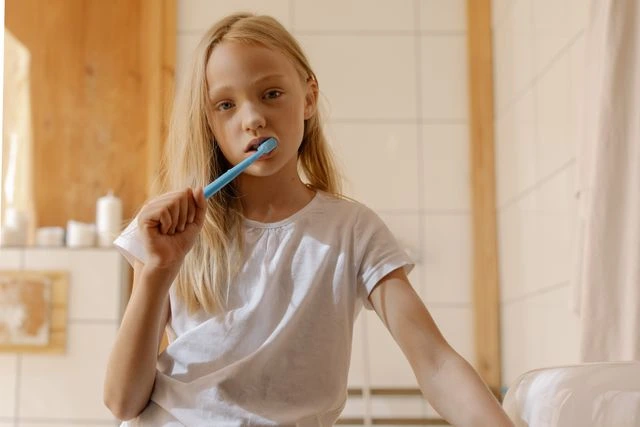
How do I make toothbrushing less of a battle?
Consistency matters more than anything — toothbrushing that happens every night becomes an expected part of the routine rather than a surprising imposition. Give the child some choice within the non-negotiable: which toothbrush, which toothpaste flavour, which song. Brush at the same time as the child so it is a shared activity rather than something being done to them. Use a timer or a toothbrushing song for the two minutes required. For young children who are genuinely resistant, brushing on the lap with the child’s head resting between the parent’s knees often gives better access and better control than trying to brush while the child stands. Most children’s resistance to toothbrushing peaks in the toddler years and diminishes as they get older — consistency through the peak is what matters most.
Younes Kehal is an educational director, certified school coach, and certified life coach with 20 years of experience working with children, families, teachers, and schools. His guidance combines practical educational experience with carefully reviewed research.