How to Reduce School Lunch Waste Without Pressuring Your Child
The lunchbox comes home with a sandwich still wrapped, half an apple, and a yogurt your child says they never had time to open. It is tempting to pack less tomorrow—or to tell them they must finish what you packed. But the sandwich, apple, and yogurt may each tell a different story. The sandwich might have gone soggy. The apple might have been enough after a snack. The yogurt lid might have been too hard to peel.
To reduce school lunch waste, change what makes the meal hard to eat before changing how much your child gets. Start with foods they can manage in the time available, keep enough food for hunger, and treat what comes home as a clue. This five-day experiment is for families packing lunch from home. It does not require new equipment, a special menu, or a clean-plate rule.
In this guide
- Find out why the food comes home
- Try a five-day lunchbox reset
- Pack for the lunch break your child actually has
- Keep lunch and leftovers safe
- Use the containers you already own
- Make the routine work on busy mornings
- When the problem is at school
- Frequently asked questions
Find out why the food comes home
Look at a single lunch together at a neutral moment, such as while unpacking the bag. Instead of “Why didn’t you eat this?” ask, “What happened with the sandwich today?” If your child shrugs, give two or three possibilities: “Was it the taste, the time, or something else?” Make it safe to say, “I just wasn’t hungry then.” That is information you need, not the wrong answer.
| What you notice | What to check | One change to try |
|---|---|---|
| The main food comes home untouched | Did your child get enough seated time? Was the lunch too messy or difficult to handle? | Keep the filling they like; try a less messy format or a container they can open. |
| The same fruit comes home several times | Do they dislike it, or is it bruised, awkward to eat, or too large? | Ask which whole fruit they can manage, and buy just enough for the days they choose it. |
| Your child ate one item and came home hungry | Which item did they have time to start? Could they reach all of the food? | Make the main food visible and easy to open. Keep the amount adequate. |
| Most of an extra side comes back, but your child felt satisfied | Is the duplicate side a habit rather than something they want? | Try packing one usual side instead of two, with a safe extra for a longer day if needed. |
| The box is empty, but your child says they ate little | Was food thrown away, spilled, or traded? | Ask without scolding. Follow the school’s food-sharing policy and use your child’s account, not the box alone. |
In one illustrative example, a child eats a wrap at home on Sunday but leaves the same wrap at school. A practice lunch reveals the issue: standing upright in the school bag, the wrap releases liquid and is hard to eat without a mess. The family packs the same ingredients separately with a reliably chilled filling. The next decision depends on whether it is easier to eat—not whether the child empties every compartment.
Waste prevention starts before food goes into a lunchbox. When we throw away food, we also waste some of the water, energy, and work that went into getting it to the table. The U.S. Environmental Protection Agency’s guide to reducing food waste at home recommends checking what you already have and planning purchases around meals your family actually eats. Use that as the starting point for tomorrow’s lunch.
Try a five-day lunchbox reset
Try this on five ordinary school days. You do not need to weigh the food. A quick note—“ate most,” “some left,” or “didn’t get to it”—plus one reason is enough. If your school requires students to discard leftovers at lunch, use a conversation; do not ask your child to bring back perishables to document waste.
- Day 1: Notice the routine. Pack a familiar lunch without changing it. After school ask what was easy to eat and whether your child still wanted food when the break ended. Note any difference between the official lunch period and the time they actually spent seated.
- Day 2: Make one item easier to reach. Try a different container, fewer separate lids, or a more manageable way of serving the same food. Have your child open and close it without help at home. If the food needs to stay cold, preserve the cold storage setup.
- Day 3: Let your child choose between two workable options. Use what is already available: “Would you rather take an apple or a clementine tomorrow?” You decide what you can pack safely and affordably; your child helps decide what they are likely to enjoy that day.
- Day 4: Adjust one thing according to hunger. If the main food ran out and your child was still hungry, pack more or add a side they can reliably eat. If an extra comes back untouched and they say they feel comfortably satisfied, try one less duplicate side. A change in waste is not a win if the child is left hungry.
- Day 5: Keep one adjustment that worked. Check three things: could your child eat independently, were they satisfied, and did less usable food go uneaten? Keep the helpful change for another week and write down two easy lunches you can repeat.
A short note might read: “Monday: yogurt not opened; still hungry. Tuesday: used an easier container and kept it chilled; ate the yogurt; still wanted more main food. Wednesday: kept the same container and added more of the familiar main.” You are tracking barriers and hunger so you can pack more intelligently, not grading your child’s eating.
Pack for the lunch break your child actually has
Start with a lunch they can eat without help
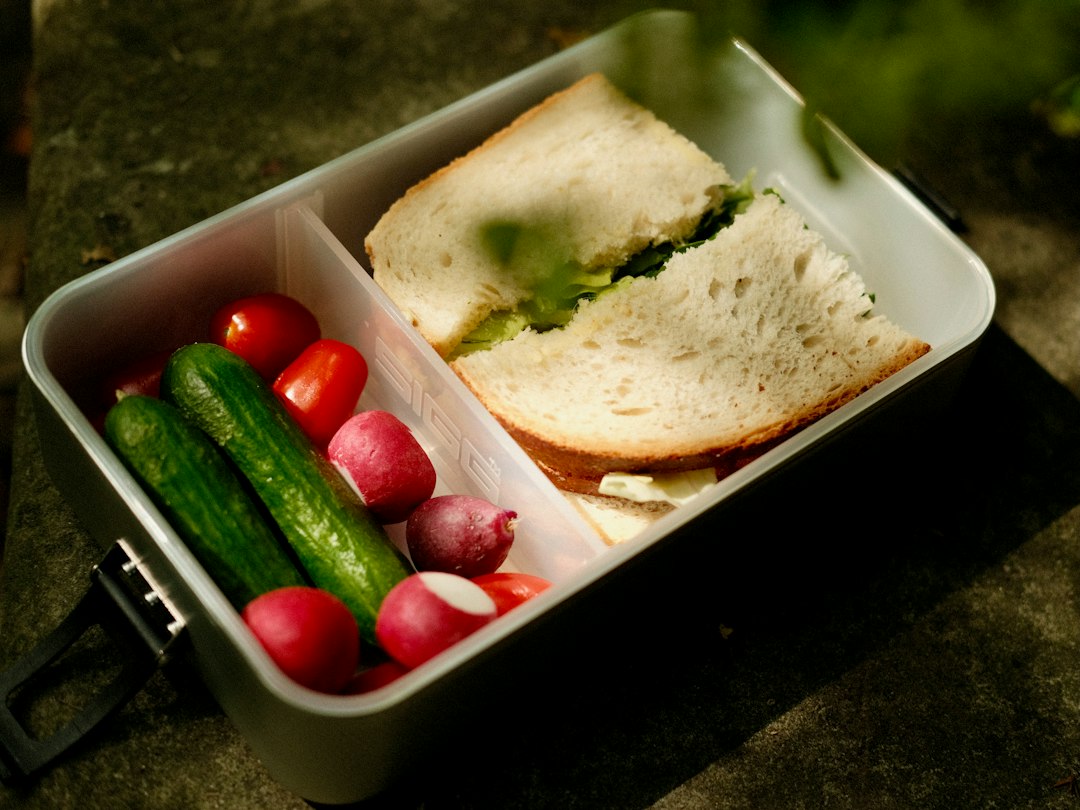
Build a lunch around a substantial, familiar food and choose sides and a drink that fit your child, the school’s rules, and your budget. For one family that might mean a sandwich with an easy-to-peel fruit. For another it might mean a chilled portion of a familiar cooked dish, a side, and water. These are building blocks, not a universal menu or a serving-size prescription.
Test the whole sequence at home: take the box from the bag, identify the main food, open it, use any utensil, and close the box again. If the container needs two hands and a lot of force, a different lid can be more useful than a different recipe. Ask about utensils the child forgets or water bottles they cannot open. A food can be a favourite and still be inaccessible in its school-day packaging.
Keep new foods low stakes
A short lunch break is not the best time to discover that your only main food is something unfamiliar. Keep an established option available. Try the new food at home first or offer a small extra alongside the familiar lunch, without expecting a taste or a clean container. If your child dislikes mixed textures, keep wet and dry foods separate rather than replacing the whole menu.
Build a backup around the schedule
A sports afternoon, long commute, or earlier lunchtime can change what your child needs. Rather than making every lunch larger just in case, decide whether the school allows a separate snack and whether your child will have time to eat it. If it needs to wait and cold storage is uncertain, choose a familiar, school-approved shelf-stable option that is safe and manageable for your child. Check storage instructions, including whether a product needs refrigeration once opened.
Ask for feedback without attaching a rule to it: “You said lunch didn’t last through practice. What did you want more of?” Compare that with the day’s schedule before deciding what to buy. For a practical way to involve your child without making grocery shopping longer, see our guide to grocery shopping with children.
Keep lunch and leftovers safe
Prevent waste when you pack. Do not try to rescue food that may be unsafe. Wash hands and use a clean container and utensils. If using cooked leftovers, set aside and chill the lunch portion promptly at home; do not use yesterday’s lunchbox returns to make tomorrow’s lunch when you cannot verify how they were stored.
- For perishable cold foods: chill the food first. U.S. federal lunch-packing guidance recommends an insulated bag with at least two cold sources, such as frozen gel packs, for foods that need refrigeration. Use an available school refrigerator on arrival if allowed. The goal is to keep perishables at 40°F (about 4°C) or colder; an insulated bag by itself is not a refrigerator.
- If you cannot keep a lunch cold: choose a meal made up of items that can safely stay at room temperature until eaten, or use an appropriate school lunch option. A standard reusable container keeps food together but does not control its temperature.
- For perishable leftovers: the federal food-safety time limit is two hours out of refrigeration, or one hour when the surrounding temperature is above 90°F (about 32°C). If the lunch has come home and you cannot confirm it stayed cold enough or within safe time limits, discard the perishable food. A normal smell or an unopened container does not tell you it is safe.
- For allergies: follow your child’s individual care plan, check ingredient labels, and respect the school’s restrictions and no-sharing rules. Do not send an extra portion intending it to be traded. See CDC guidance on food allergy management in schools.
An ice pack that is still a little cool in the afternoon does not establish the food’s temperature during the day. On field trips, ask whether there will be refrigeration and when lunch is served, then choose the menu. It is better to change one meal than count on a setup you cannot verify. The USDA’s school lunch reminder has additional guidance on packing cold and hot meals.
Use the containers you already own
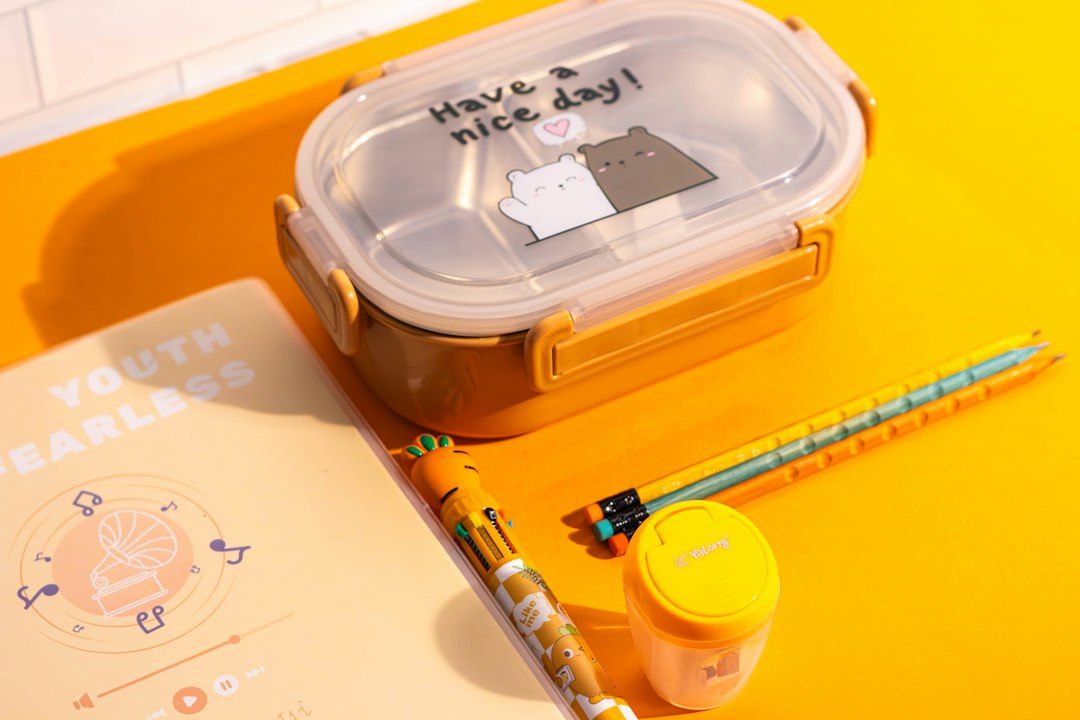
Before buying a matching set, try the containers you already have. Pick food-safe ones that close securely, can be washed thoroughly, and suit the way lunch is stored. Fill a container with a little water and tip it over the sink to test for leaks. Have your child practice opening it by themselves. A sturdy container that works today is more useful than a product advertised as sustainable that stays in the cupboard.
Reusable gear is worth keeping only when the routine makes it easy to use again. Set a drop-off spot near the kitchen sink. Empty the bag that day. Clean the lunch container, lid, and bag as directed, let them dry, and return the cold packs to the freezer. Keep the lunch container and the insulated bag in the same place so you do not accidentally leave the insulation behind.
Not every item has to be low packaging every day. Sometimes a sealed, shelf-stable item that your child can open and eat is the best available backup. Judge food waste and packaging waste separately. If a bulk purchase spoils before you use it, buying it to save packaging or money has not solved that problem. Our guide on making realistic choices about plastic at home takes the same approach.
Make the routine work on busy mornings
Pick two lunches you can make on an ordinary evening
Write down two combinations your child likes and that you can prepare on tired days. For each, note what you need to buy and how you will keep it safe. Check the refrigerator, freezer, and pantry before shopping. Use ingredients you already plan to serve in another meal to avoid buying a whole pack for a single lunch. For example, put the bread you bought for breakfast on the list for two sandwich days, rather than buying a separate loaf for lunch.
It is fine to repeat a dependable lunch. Vary part of it when it makes sense—perhaps the fruit you already have—rather than feeling obliged to design five different meals. If a day is covered by a school meal, remove it from the shopping plan. If two children eat differently, use shared ingredients with different portions or formats rather than pretending their lunchboxes must match.
Give each person one job they can actually do
A younger child can choose between two available sides or match a lid to a container; an older child can pack familiar foods or make a short shopping list. An adult should still oversee safe storage, allergy requirements, and whether enough food is available. On a rushed morning, the job can be as simple as putting the water bottle in the bag.
If your child pours more into the container than they want, show them how to put an untouched extra portion aside at home safely before it leaves the kitchen. Explain that food can be available later without all of it travelling to school. That turns the waste conversation into a planning skill. You can use the same approach for other small eco-friendly family habits.
When the problem is at school
If lunch repeatedly comes home uneaten and your child reports being hungry, ask what lunch is like before making another menu change. The CDC’s school lunch guidance distinguishes between the lunch period on paper and time actually seated with food. A line, a long walk to the cafeteria, or time spent getting help opening containers can leave much less time than the timetable suggests.
You could ask the school: “My child often brings the main part of lunch home and says there wasn’t time to eat. Can you help me understand how much seated time they have and whether there’s a place to refrigerate their lunch?” If the issue is noise, seating, or difficulty opening food, discuss an appropriate support with school staff. Do not ask your child to rush through eating or miss needed social time to meet a waste target.
If your child often cannot eat enough at school, has a very limited selection of foods they can eat, or seems distressed about meals, talk with the school and an appropriate qualified health professional. The lunchbox experiment is a way to learn what happens during a normal week; it is not a substitute for feeding support or a medical care plan.
Frequently asked questions
Should I pack less if food keeps coming home?
Only if your child had reliable access to the food, felt satisfied, and is consistently leaving a specific extra. If they are still hungry, start with the barrier: time, packaging, unfamiliar foods, or the meal setup. Keep an adequate lunch available.
Do I need a new bento box to make this work?
No. Try the box you already have if it is food-safe, clean, and easy for your child to open. For food that needs chilling, the key question is how you keep it cold, not how many compartments the box has.
Can I use last night’s dinner for lunch?
Yes, if the food was handled and stored safely at home and you can keep the portion at a safe temperature until it is eaten. That is different from packing perishables again after they have spent the school day outside a temperature-controlled setup.
What does a successful week look like?
Your child could eat what you packed, had enough to get through their day, and you found one change that reduced avoidable leftovers. Start there. The goal is an easier lunch routine that wastes less food, not an empty lunchbox at any cost.
About the author
Younes Kehal is a pedagogical director, certified school coach, and certified life coach with 20 years of experience working with children, families, teachers, and schools. He shares practical, research-informed guidance through ParentingAssist.
Featured photo: Peter Heymans / Unsplash. Lunch container photo: The Design Lady / Unsplash.